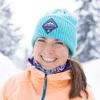
One of my favorite feelings of the season is the first time I shimmy into long underwear, slide socks over it, then step into ski pants as I get ready to ski. I’ve been lucky enough to grow up skiing, and getting dressed to stay warm on the coldest of days has always felt like second nature to me.
I have spent most of my life chasing the snow from northern winters in Girdwood, Alaska, south to Taos, New Mexico, before landing back in Utah to work as a physical therapist with the US Ski and Snowboard Team. I’ve tested ski layering systems in every environment you can imagine. If you’ve asked yourself questions like, “How do I dress to stay warm while skiing?”, or “Why does everything feel so bulky when I ski?”, or “How do I make sure not to sweat while skiing?”, then you’ve come to the right place!
Base Layer: The Foundation of Warmth
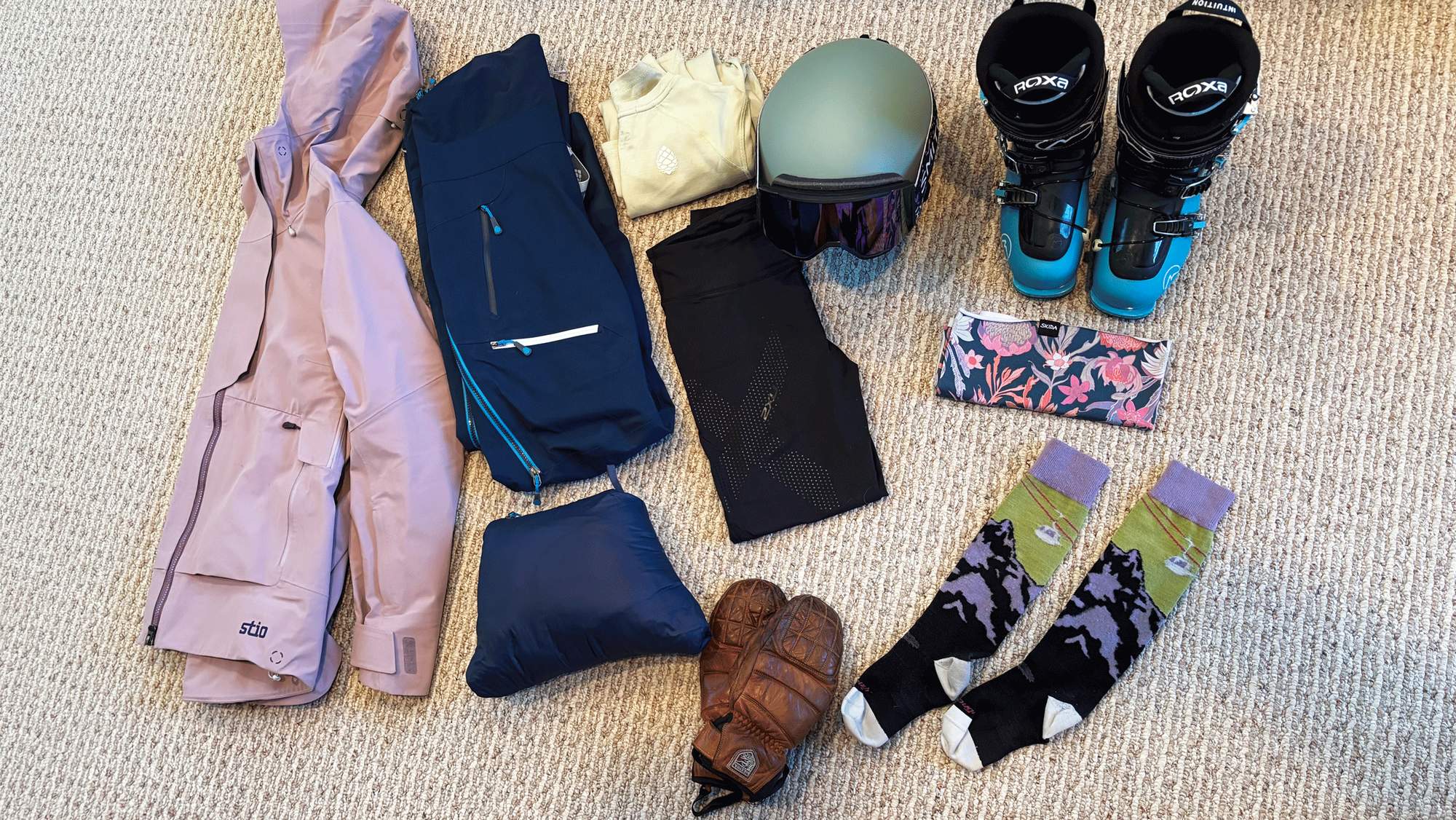
My ski kit always starts with moisture-wicking long underwear. This is what keeps you warm by moving sweat off your skin so you don’t freeze on the chairlift. I rotate between heavier-weight grid fleece bottoms for extra warmth and lighter, more compressive tights, depending on the conditions and my ski plans for the day.
For the top, I usually stick with a light- to medium-weight merino wool layer with as few extra zippers or hoods as possible. Keeping things simple helps me feel less bulky around my neck and shoulders, especially once I start layering on top.
I pair my base layers with a single pair of thin ski socks. Doubling socks only increases pressure points, which can lead to cold toes. On very cold days, I’ll occasionally wear heated ski socks, a trick I picked up after spending long hours standing in start gates while working with the US Ski Team. On warmer days, a super-thin ski sock does the job just fine.
My daily alpine ski gear!
Midlayers: The Adjustable Zone
Once my base layers are dialed, I reach for my midlayers. The biggest thing I look for here is how appropriate the layer is for the conditions. On warmer days, I prefer a lightweight, breathable insulating layer. On colder days, I’ll stack a synthetic or lightweight insulated piece under a warmer jacket.
Just like with base layers, I tend to avoid midlayers with bulky hoods if possible. Fewer layers around the neck keep everything more comfortable once the jacket is zipped up.
On exceptionally cold days, I’ll also add an insulated midlayer pant. This extra layer can make a huge difference on long, snowy chairlift rides and keeps legs warm all day without sacrificing mobility. Look for a 3/4 length insulating layer. It's very important that you only have ski socks inside your boots. If you add multiple layers of fabric (double socks or base or midlayers) you risk bunching which can cause a lot of pain as the day goes on!
Typically, I prefer to go with a shell pant and jacket. They’re lightweight, breathable, weatherproof, and comfortable enough to ski all day. When it comes to picking outerwear, I focus on having a lot of pockets, the length of the jacket (I prefer a longer jacket), and how well the material moves with me. Don’t be afraid of doing some squats in a dressing room to make sure it fits and moves well with you before buying something new! All modern ski shells are waterproof but performance does vary and the technology can be very technical sounding. It's best to get into a ski shop in Park City and discuss your skiing style to find the best outerwear pants and jacket.
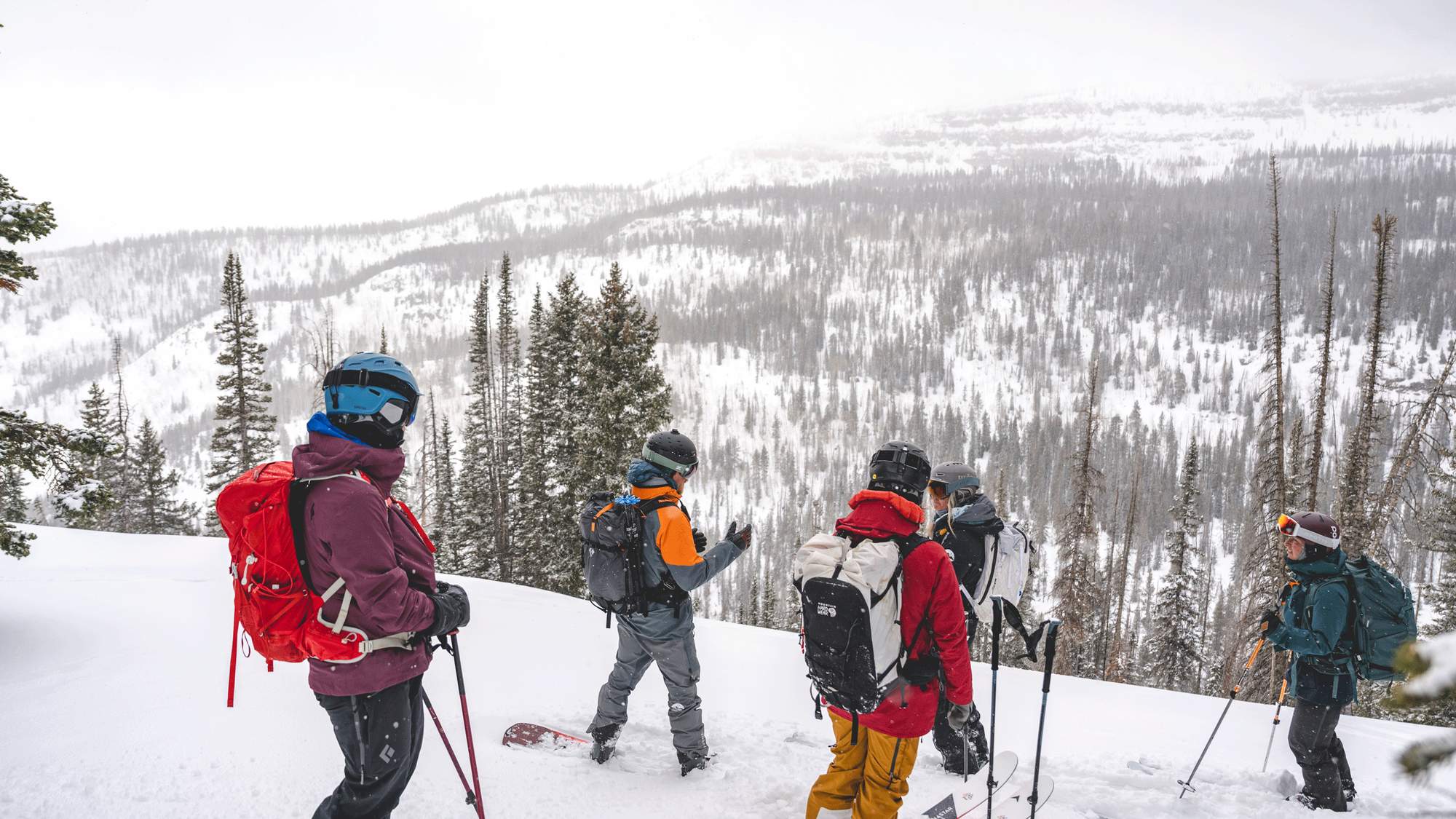
Outerwear is your first line of protection from falling snow and water! Photo: Re Wikstrom
Accessories: Accents That Make a Big Difference
A helmet has always been at the top of my ski fit checklist. At this point, I feel naked without one. Similar to boots, you want to make sure your helmet fits your head and is equipped with extra concussion protection, such as MIPS system. It’s also always nice to have goggles that interface well with the helmet, ensuring good contact and no spaces for cold air to chill your forehead. I always recommend going to a ski shop to try some of these on because they both have a lot of options, and experts there can fit you for your season kit.
Stuff your pockets with little accessories like a goggle wipe to clean your goggles, chapstick with SPF in it, a granola bar, and a small collapsible water bottle to have a little bit of hydration on the chair between laps.
A neck warmer is always part of my kit. They’re soft, stretchy, and always keep my face warm. Add warm waterproof mittens and a cozy hat for après, and you’re set!
Bringing It All Together
The ritual of getting ready for skiing has always felt like a fun puzzle for me. Making sure that you have the right layers can make or break a good day on the hill. Take time to figure out what layers keep your body the warmest without overheating, and you’ll ensure to have a great day on the hill every time you go out. The best way to find ski gear is to visit your local shop or a ski shop in Park City. Let the experts guide you toward the gear you need on the hill!
Layering isn’t just about staying warm; it’s about feeling ready to move, pick lines, and enjoy every turn in the mountains with friends.
My Resort Ski Checklist
Moisture-wicking base layer top and bottom
Thin ski socks
Midlayer (down vs. synthetic is weather dependent)
Weatherproof Jacket and Pants
Neck warmer (thickness depends on conditions)
Leather mittens
Helmet and goggles
Lift pass
Chapstick
Snacks and a small pocket water bladder
A packable beanie for après
A good layering system keeps you comfortable on and off the hill!
Whether it’s the anticipation of discovering what could be your new favorite flavor on a…
Author
Abby Stanislaw
Abby grew up ski racing on the Park City Ski Team, where she developed a passion for outdoor sports and the grit needed to excel. Now the owner of Progression Physical Therapy, LLC and a contract physical therapist for the US Ski and Snowboard Team, she helps athletes and outdoor enthusiasts return to the activities they love, whether recovering from injury, postpartum, or just trying to excel at their sport. When out of the clinic you can find Abby skiing, mountain biking, teaching Pilates, and enjoying all that Utah has to offer. Follow her adventures on Instagram @skiingabby or visit www.progressionphysicaltherapy.com.