Beginning as a gathering place for the Ute and Shoshone people of the Great Basin, then a mining boom town, and now a center of excellence for Olympians, artists, and outdoor enthusiasts from across the globe, Park City’s story has always been one of progress, change, and renewal. That legacy lives today in the stories that rest in the heritage sites and historic lands woven throughout and surrounding our town, which began more than 5,000 years ago.
Indigenous Peoples' Land Acknowledgement
We acknowledge that Park City, Utah, sits on the ancestral lands of the Núu-agha-tʉvʉ-pʉ̱ (Ute) people, who have lived, traveled, and stewarded the Wasatch Range and surrounding valleys for generations. We also recognize the presence and contributions of other peoples who have passed through or lived in this region, including the Eastern Shoshone, Wanship, Peoa, Goshute, and Paiute tribes. These lands have long been a place of gathering, healing, and connection—first stewarded by Indigenous peoples who thrived here, raised families, gathered food, told stories and created art, and built vibrant, enduring cultures. We honor the relationship between Indigenous communities and this land, and we pay our respects to their elders past, present, and emerging. We invite our community and visitors to learn more about local Indigenous histories and support Indigenous-led efforts in environmental stewardship and cultural preservation.
A Summer Sactuary
Long before Park City ever turned a chairlift, there is evidence of nomadic camps in the Summit County region dating back 5,000 years. Habitable during the spring and summer, the surrounding lands were a seasonal hunting destination for Indigenous cultures seeking sustenance. About 700 years ago, the Shoshonean people began settling in Northeastern Utah, migrating between the mountain ranges and valleys seasonally. Another prominent tribe, the Ute, recorded oral histories describing men, women, and children climbing into the Uinta and Wasatch Mountain Ranges to live and hunt from early June to late September. These seasonal migrations continued well into the 19th century.
Founding Parley's Park
In 1848, Mormon pioneers traveling to the growing town of Salt Lake City, founded a year earlier by Brigham Young, explored the area and noticed the basin at the top of Parley’s Canyon was an ideal place to graze cattle. A few families stayed and the area settlers named the area ”Parley’s Park City.” In 1884, the town incorporated and was renamed “Park City.”
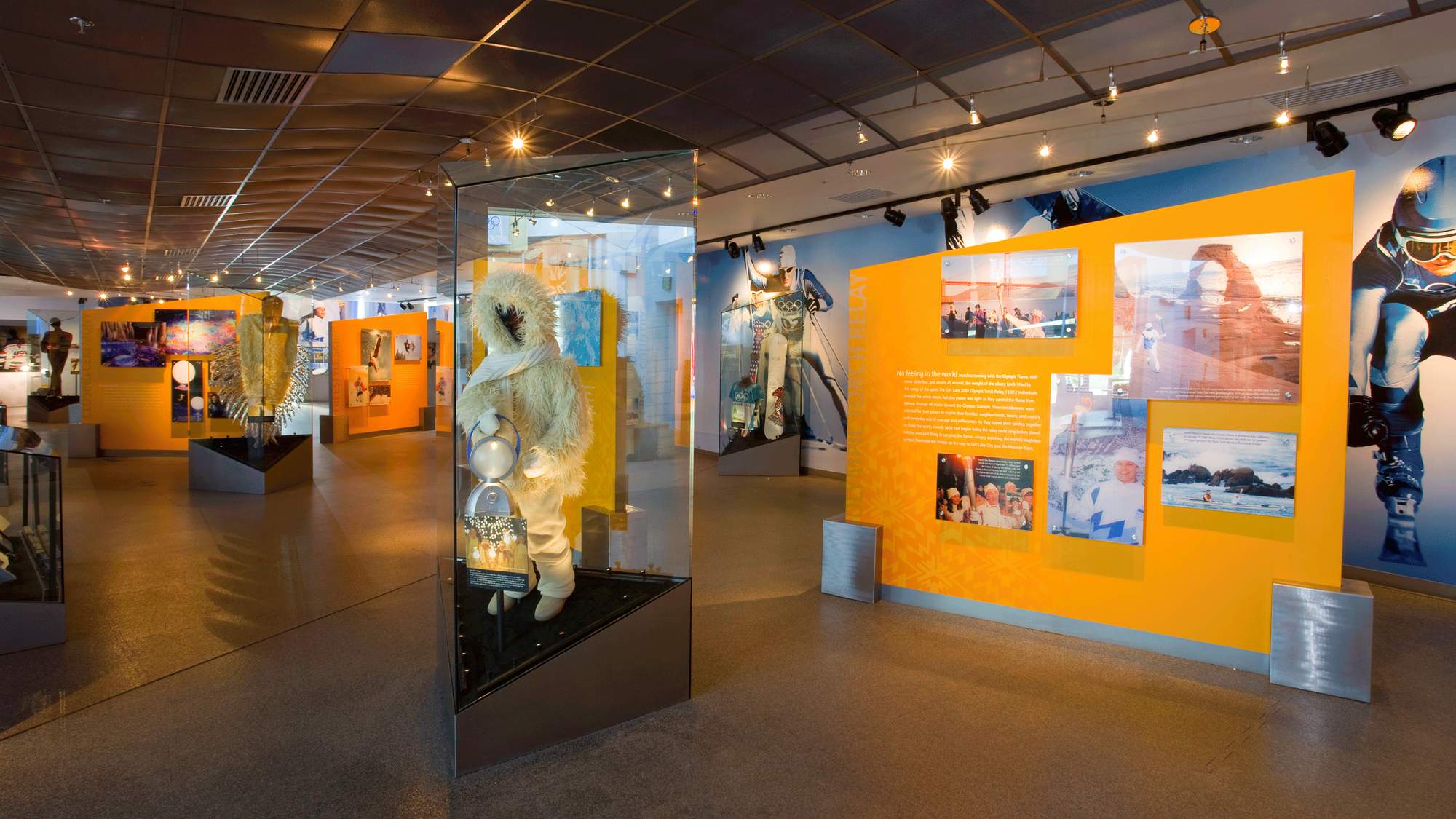
Park City has a rich collection of museums showcasing the town's storied history as a mining town, Olympics venue, and long history with Indigenous peoples who first migrated through Summit County seeking sustenance.
Settlers & Conflict
Early settlers reported interacting with large Shoshone parties of up to 400 people. The Shoshone were generous, sharing food with the new settlers and kindling close relationships. Other settlers living permanently along Ute seasonal paths reported positive relationships with Ute people camped along the outskirts of their towns.
But growing threats to the Indigenous people’s way of life and their land, including stream diversion for crops and trees felled for timber, created tension and violence between the settlers and tribes. Multiple violent conflicts resulted in the eventual evacuation of settlers and the construction of forts in Henefer, Chalk Creek, Rockport, and Peoa. By 1868, U.S. treaties barred Indigenous people from using their land and they were forcibly relocated to reservations, leaving the area open for white settlers to develop.
A Flourishing Mining Town & Industry Bust
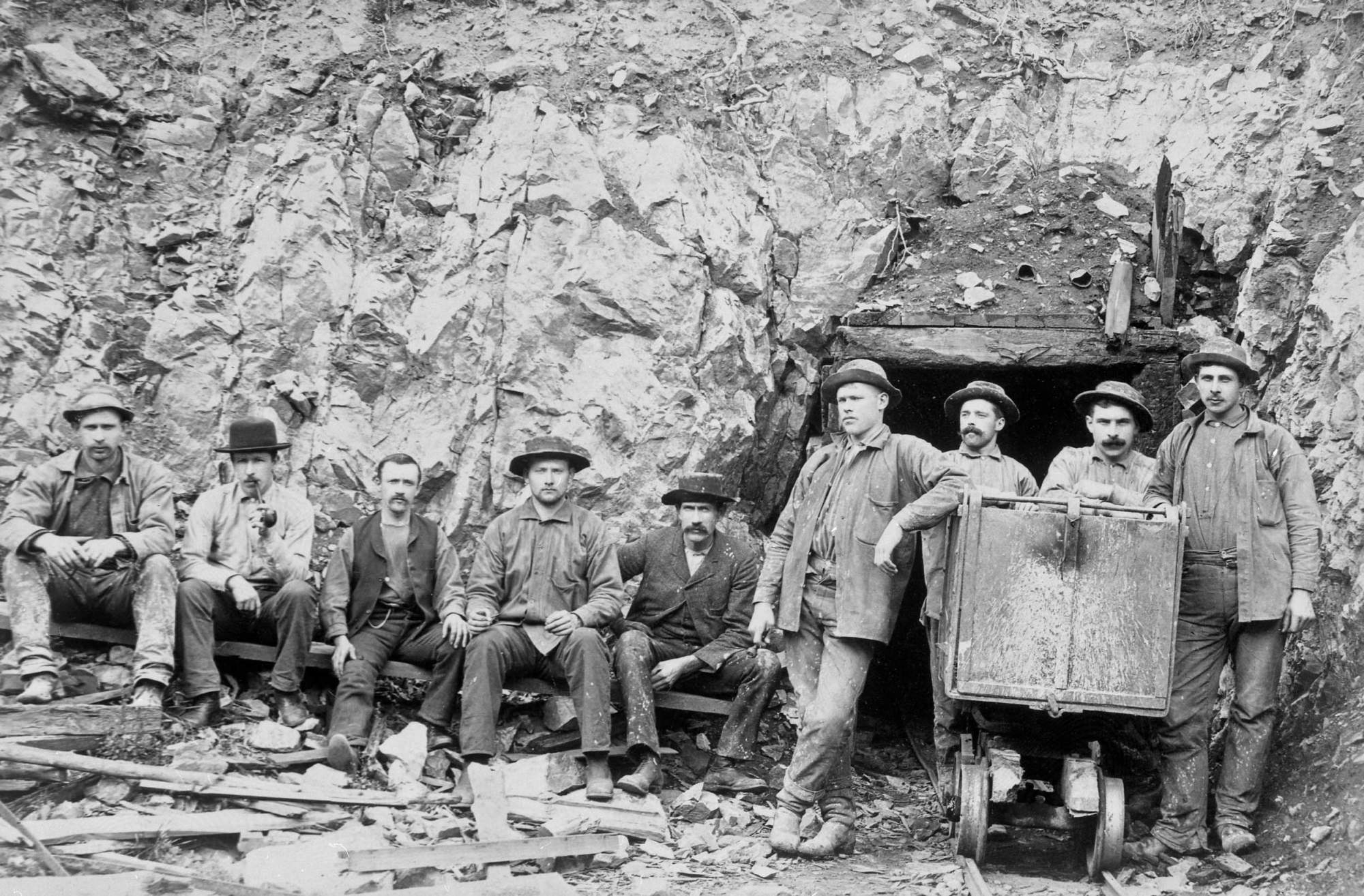
Park City’s mining boom began in the 1860s with the discovery of silver, gold, and lead and the opening of the Flagstaff mine. Mining settlements soon followed as prospectors set up camps around the mountain terrain. By 1889, Park City’s population was 5,000 people working to support the various mines. The population would continue to grow while the original prospectors became incredibly wealthy.
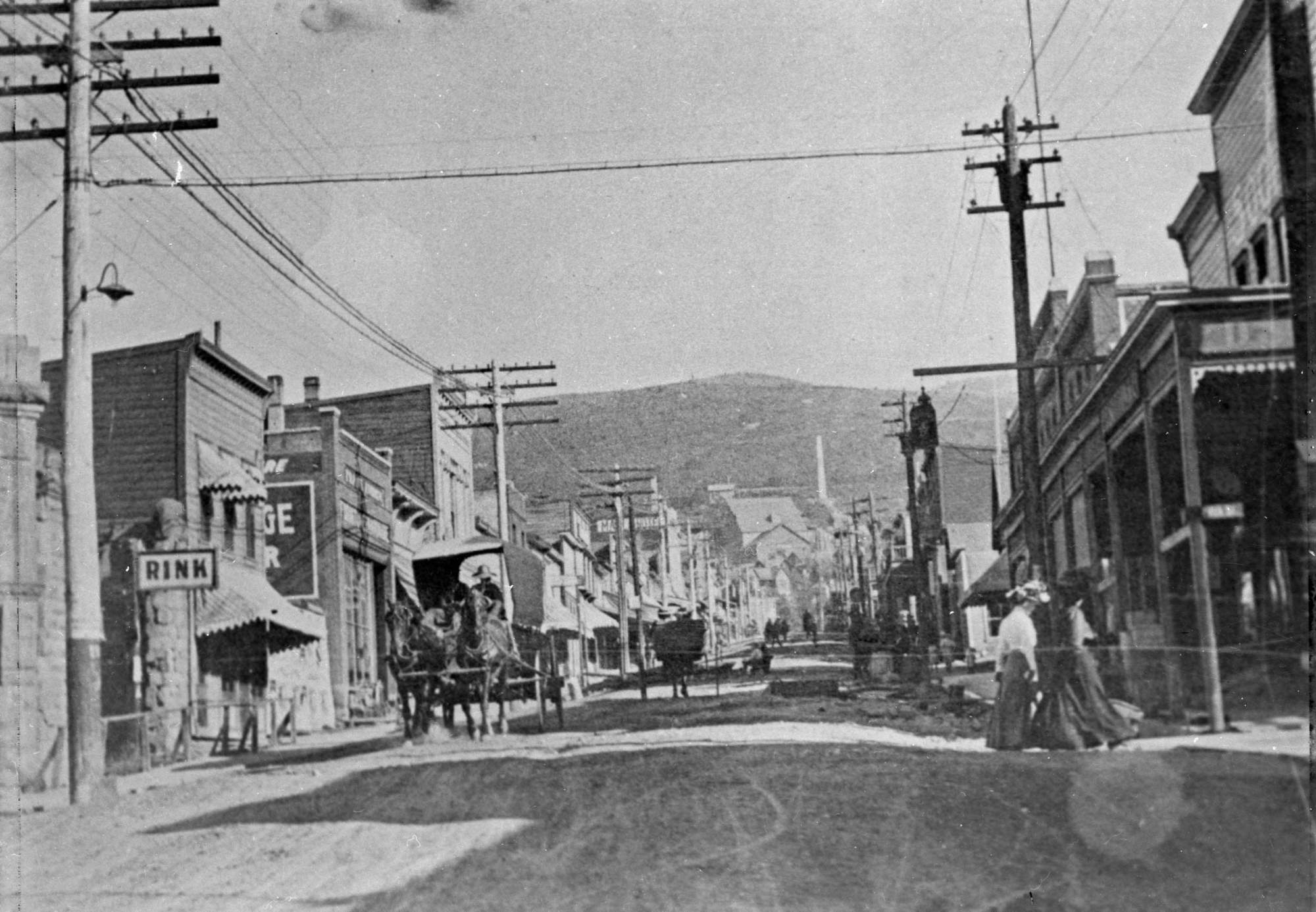
Historic Main Street!
Although it wasn’t the first silver find, the Ontario mine, established by Herman Buden in 1872, became the first significant producer after George Hearst purchased it through his business partner, R.C. Chambers. In 1880, as the boom continued, the First Transcontinental Railroad, built mostly by Chinese immigrants, established a spur line to the Echo station, providing even greater access. The railroad made it easier to reach Park City, opening the door for immigrants and women to arrive and leave their mark on the community. One of the most famous, Susanna Bransford, or “Utah’s Silver Queen,” invested in the Mayflower mine, later incorporated into the Silver King Mining Company. This was one of the most lucrative mines in Utah and allowed Susanna to make north of $1,000 per day in dividends. Ms. Bransford and her husband lived lavishly. After his death, she continued to leverage her investments across a huge range of businesses to acquire wealth.
By 1892, the Silver King mine became one of the most famous mines in the world. As an influx of immigrant workers filled mining encampments, the town flourished with newfound wealth. But steadily declining silver and metal prices during and following World War I, the Great Depression, and World War II would end Park City’s mining heyday.
During the 1950s, Park City was seemingly relegated to a footnote in Utah’s history. Today, Park City’s mining history is well-documented. You can find nods to Park City’s mining past: museums, preserved structures, informational plaques, and more throughout town highlight a way of life that defined Park City for 100 years.
Park City's history is storied with rich individuals!
A Modern Rebirth
The First Ski Areas
The end of the mining era catalyzed Park City’s rebirth as a skiing destination. The first ski jumps opened on Ecker Hill in 1928 and skiing slowly flourished over the decades. With government assistance and other contributions, Park City’s first ski resort, Treasure Mountains, opened in 1963 on 10,000 acres of land owned by miners with mineral rights.
Treasure Mountains opened with a gondola, a chairlift, and two J-bars. Word of the new ski area spread quickly and people steadily started moving back to Park City. In 1963, Sports Illustrated included Treasure Mountains Payday run as one of the finest in the country.
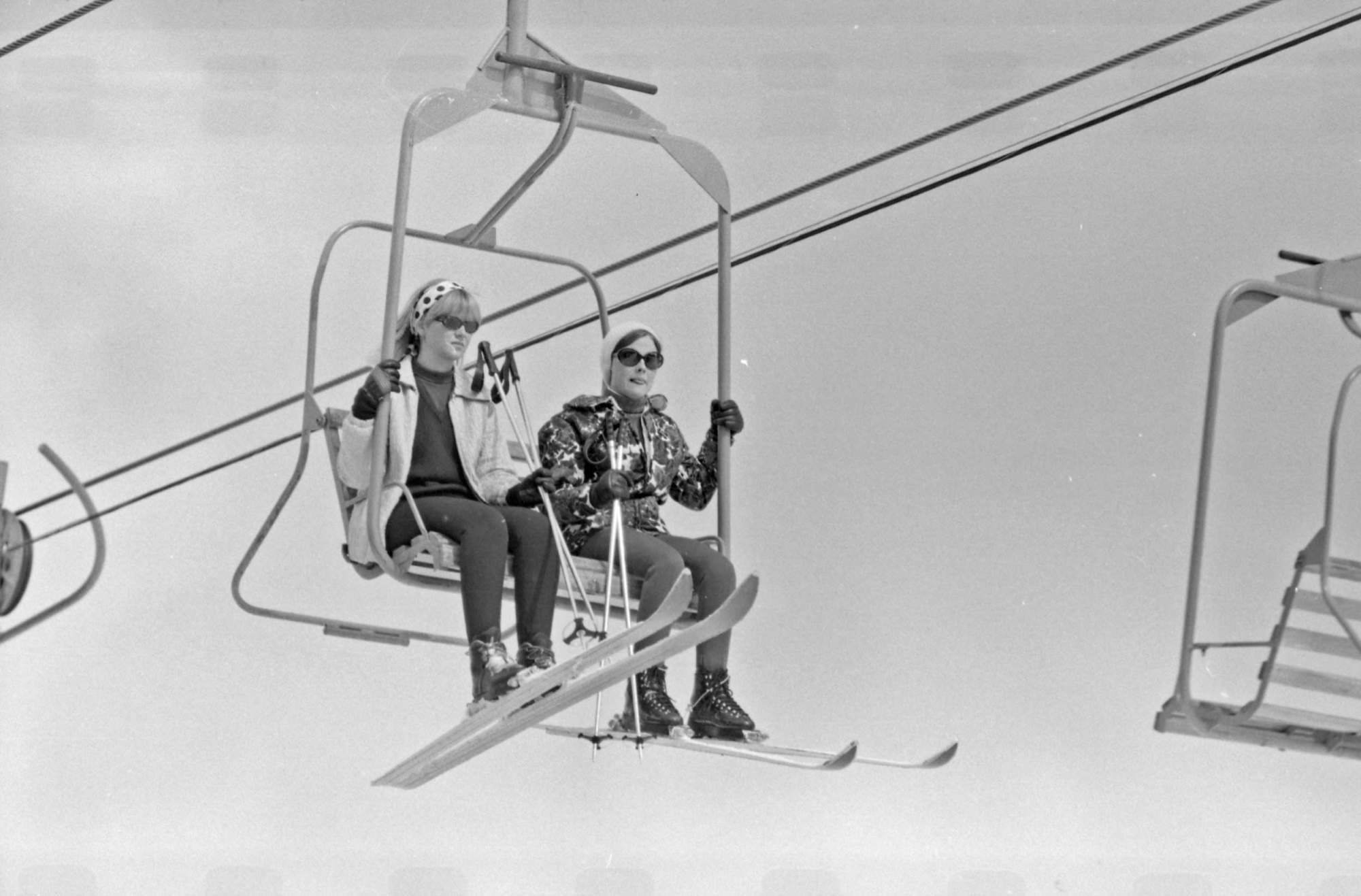
The early days of skiing in Park City!
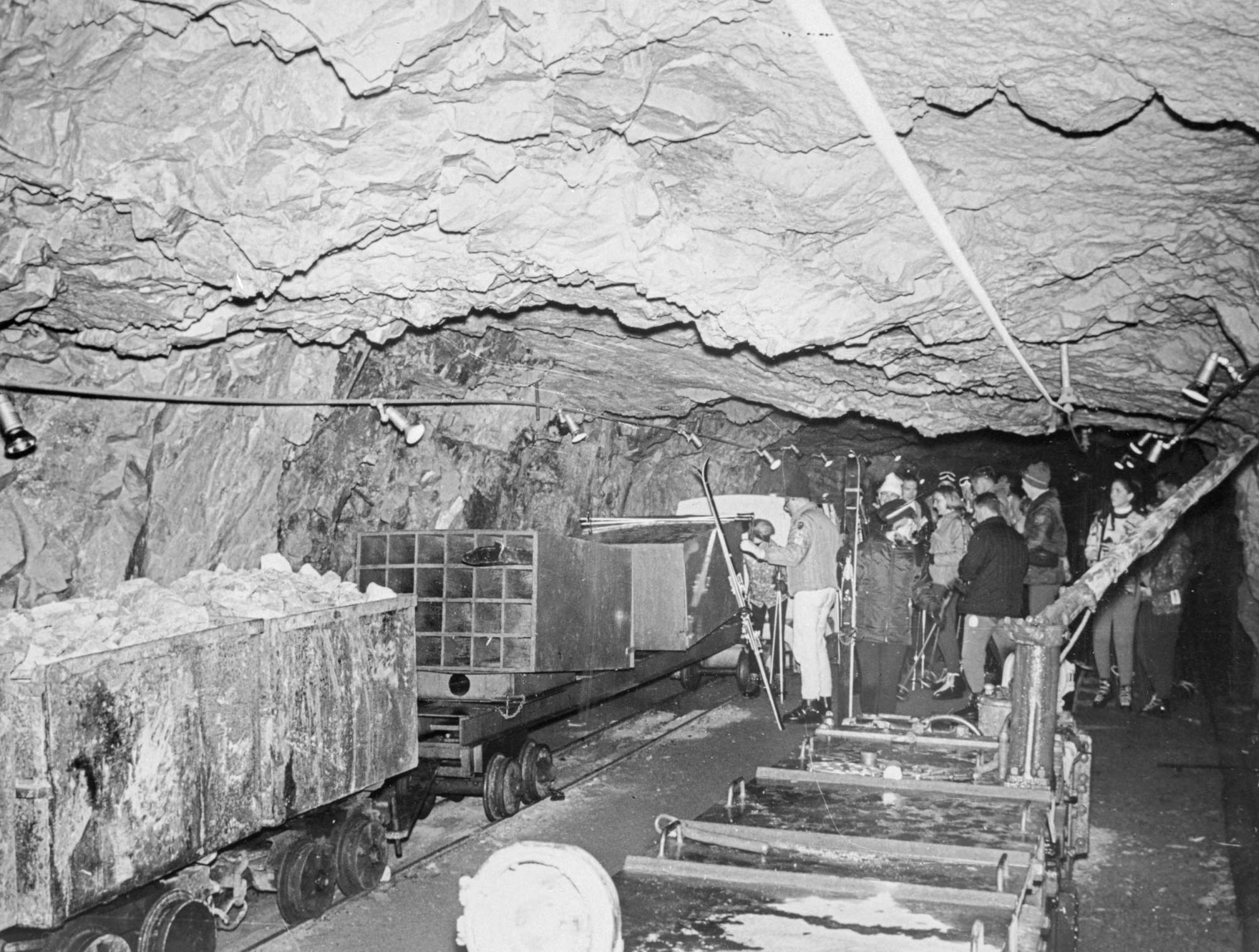
Once skiing was discovered to be the real asset of the mountains, the Spiro Tunnel lived a short life as a novelty chairlift in the 1960s, bringing guests up the mountain on what came to be known as the Skier Subway, a 45-minute ride through the tunnel ending at what is today’s Thaynes Lift.
With the success of Treasure Mountains and skiing growing in popularity, Deer Valley Resort opened in 1981 with five chairlifts, 35 runs on Bald Eagle and Bald Mountains, and two day lodges, Snow Park and Silver Lake. This venerable ski area was born out of a desire to create a luxury ski area focused on world-class service and amenities—a legacy that continues to this day.
Chair lift ride anyone?
The Sundance Film Festival Finds Its Roots
In 1978, Robert Redford and Sterling Van Wagenen founded the U.S. Film and Video Festival in Salt Lake City. In 1981, the festival moved up the hill to Park City, acting as the premier showcase for independent film. By 1984, the festival was renamed to the familiar Sundance Film Festival. The event blossomed over the next few decades, being on par with other festivals such as Cannes, Venice, and more.
Park City will forever have a legacy in film and promoting unique voices.
A Flourishing Trail Network
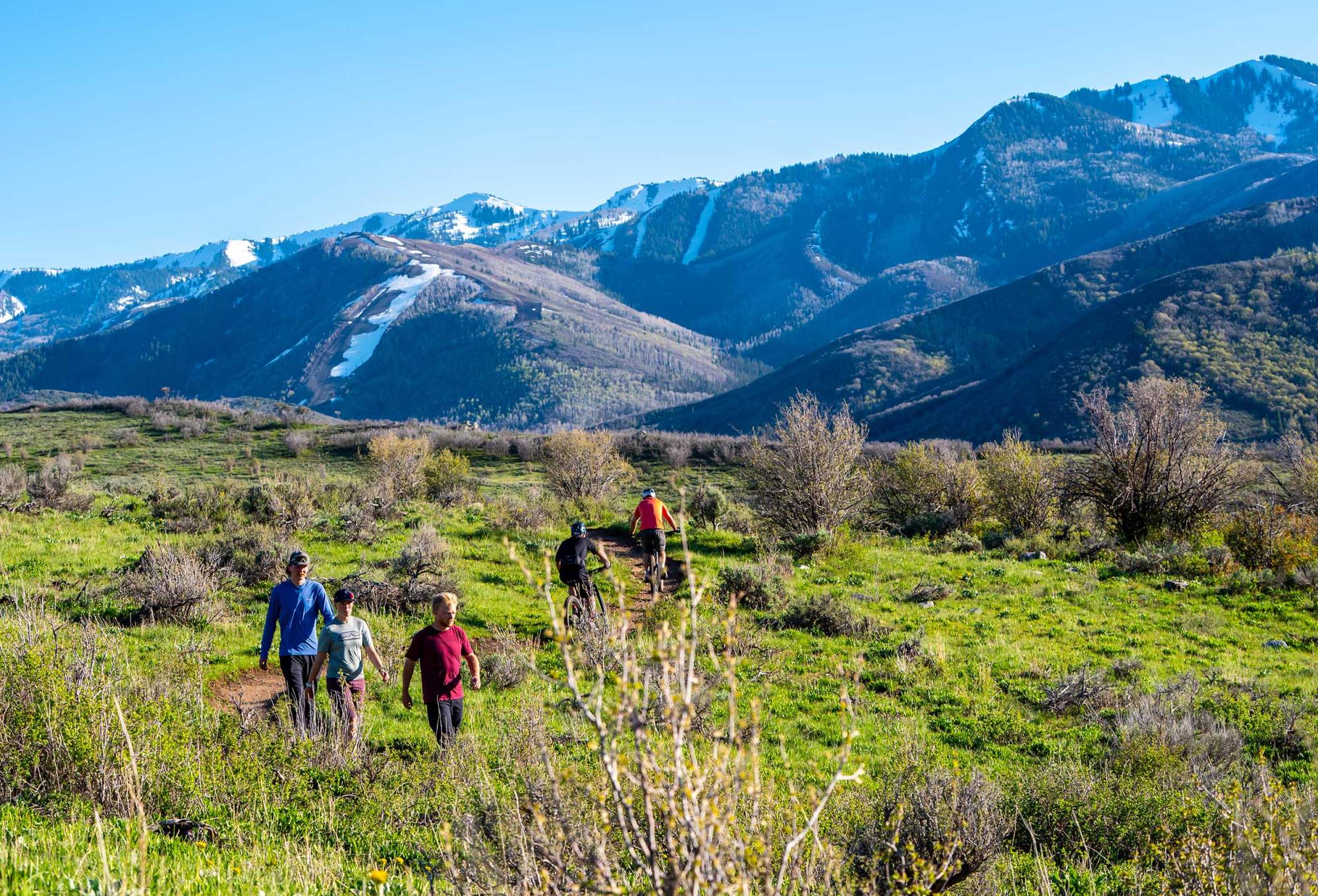
Alongside the developing ski and arts scenes, a dedicated group of Park City locals began crafting the area’s first singletrack trails in the 1980s. Originally following mining and game trails, a huge network of trails grew out of familiar areas like Round Valley and the two ski areas. Today, there are 400+ miles of natural surface trails with many trailheads and paved paths connecting the various neighborhoods throughout town. And Park City’s legacy of protecting open space allows for further trail development in the future. This deep respect for the land not only preserves its natural beauty, but also honors its role in shaping global moments... like when these very mountains welcomed the world during the XIX Winter Olympic Games.
Park City has evolved into a year-round alpine destination!
The Winter Olympic Games & and a Legacy of Sport
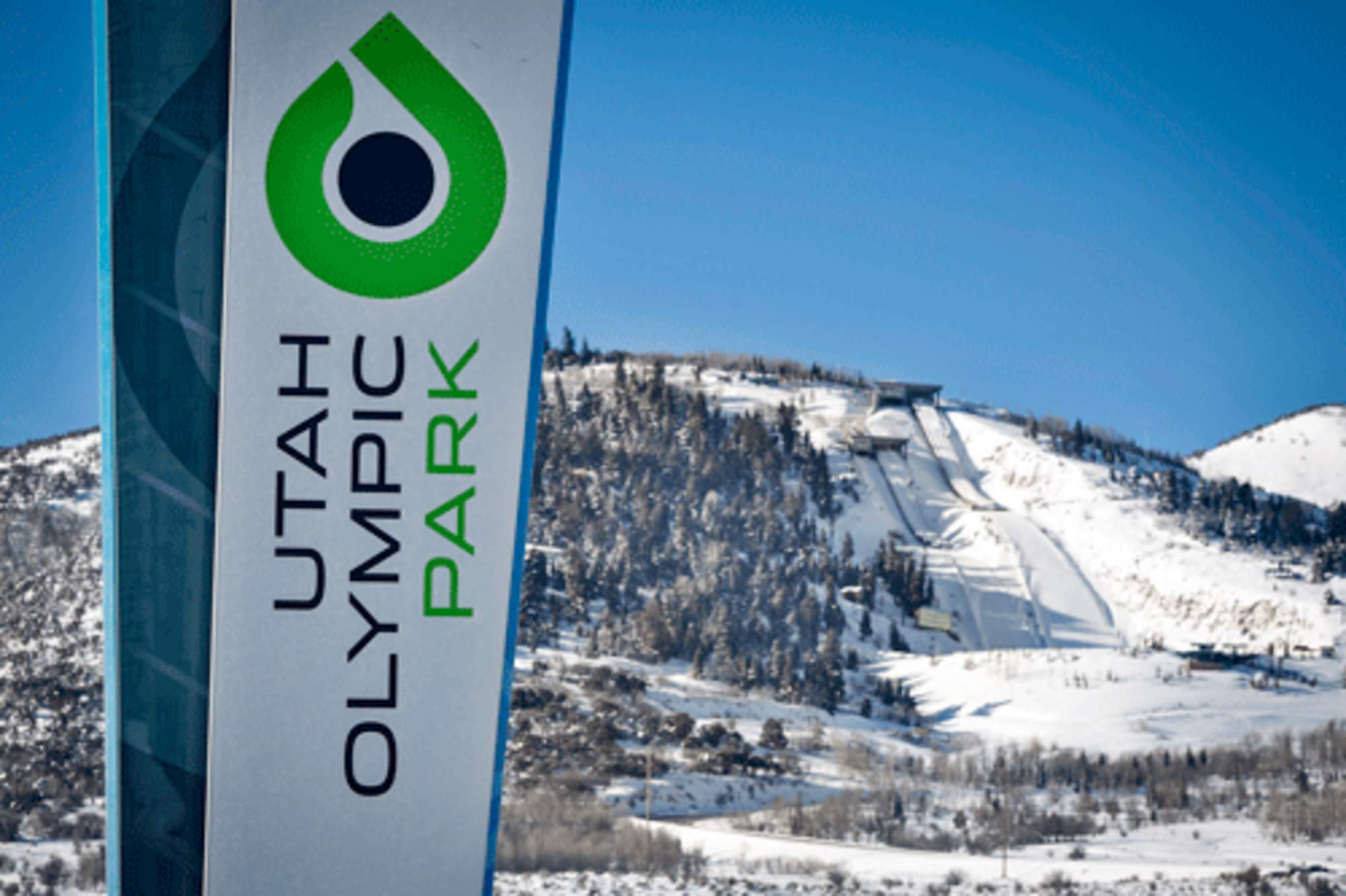
In 2002, Salt Lake City hosted the XIX Winter Olympic Games. More than 40% of the events were held in Park City at the Utah Olympic Park, Deer Valley Resort, and Park City Mountain, with Park City hosting one-third of all medal events. With 78 countries in attendance, the global event put Park City in the international spotlight, which continues to this day.
This Olympic legacy will be continued in 2034 when Park City will once again be a host venue for the 27th Winter Olympic Games. Much of the original infrastructure will be utilized for events, reducing the financial costs and environmental effect of the games.
Park City is excited to once again host the world in 2034!
Celebrating Park City's Olympic Legacy!
More Adventures in Park City
For even more inspiration and stories from Park City—view our year-round visitor guide or request one in the mail.