Park City and Summit County have always been places to visit, where families and adventurers seek outdoor experiences and art and culture. Before a ski lift ever turned or a silver vein chased, Indigenous groups migrated through these lands annually, following and herds of animals and seeking sustenance. Now the year is frequented by skiers, bikers, hikers, and artists—chasing inspiration in the mountains. But above our heads is one of the largest migrations, one we don't often pay close attention to, and one that is integral to our environment. Birds. Birds by the billions migrate through Summit County and the Wasatch range every year. But if you don't look up at the right time, you'll miss them.
Utah is situated between the Central Flyway and the eastern edge of the Pacific Flyway, two immense highways in the sky that birds use to migrate north and south. These flyways follow mountain ranges, rivers and streams, and coastlines. And the wet lands, streams, ponds, lakes, and reservoirs within and surrounding Park City are a magnet for migrating birds. Add the Great Salt Lake—one of the most critical and at risk migratory stopovers in North America—just 45 minutes west, and you begin to understand why a morning in April or May here can produce sightings that would make a birder in most American cities genuinely envious. Below are just ten of the magnificent birds that make a spring stopover in Park City. Have you spotted them all?
Where to Start
Spring is a quieter, calmer time around town. Flowers peak out from their winter slumber, and the trees sprout green again—call it Nature's "hello" to migrating birds. So before you dive in (look up?), here are some key spots to find the birds in the list below:
- Swaner Nature Preserve & EcoCenter - This is the best spot for beginners and families. Wetlands, open ponds, and meadows are a haven for birds. And their trained staff can help you spot hard-to-see birds. Plus the interactive EcoCenter is a ton of fun!
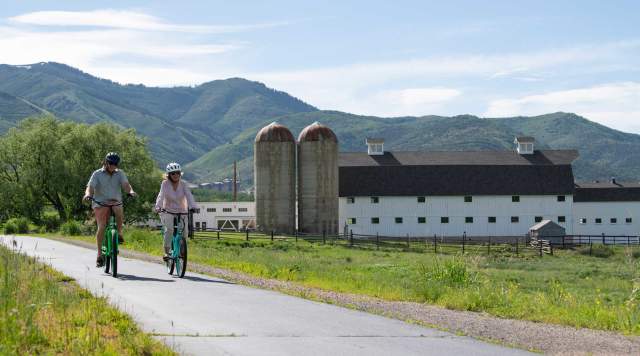
- McLeod Creek Trail - This flat gravel and paved path meanders through a stunning riparian corridor and is excellent for for catching Warblers and other birds in the huge willows and cottonwoods.
- Jordanelle Reservoir State Park - Use the gravel perimeter trail to spot raptors, waterbirds, and shorebirds. At the north end, where the Provo river meets the reservoir, the Rock Cliff EcoCenter provides further information on local birds.
- Round Valley - An expansive tract of preserved land, Round Valley features a bushy landscape, an ideal habitat for buntings, sparrows, and swallows.
- Weber River corridor near Rockport Reservoir - A quieter option for birds, particularly warblers and flycatchers. The brushy streamside vegetation along the lower reaches is dense and full of life.
Western Tanager
Back to Top Back to Top of List
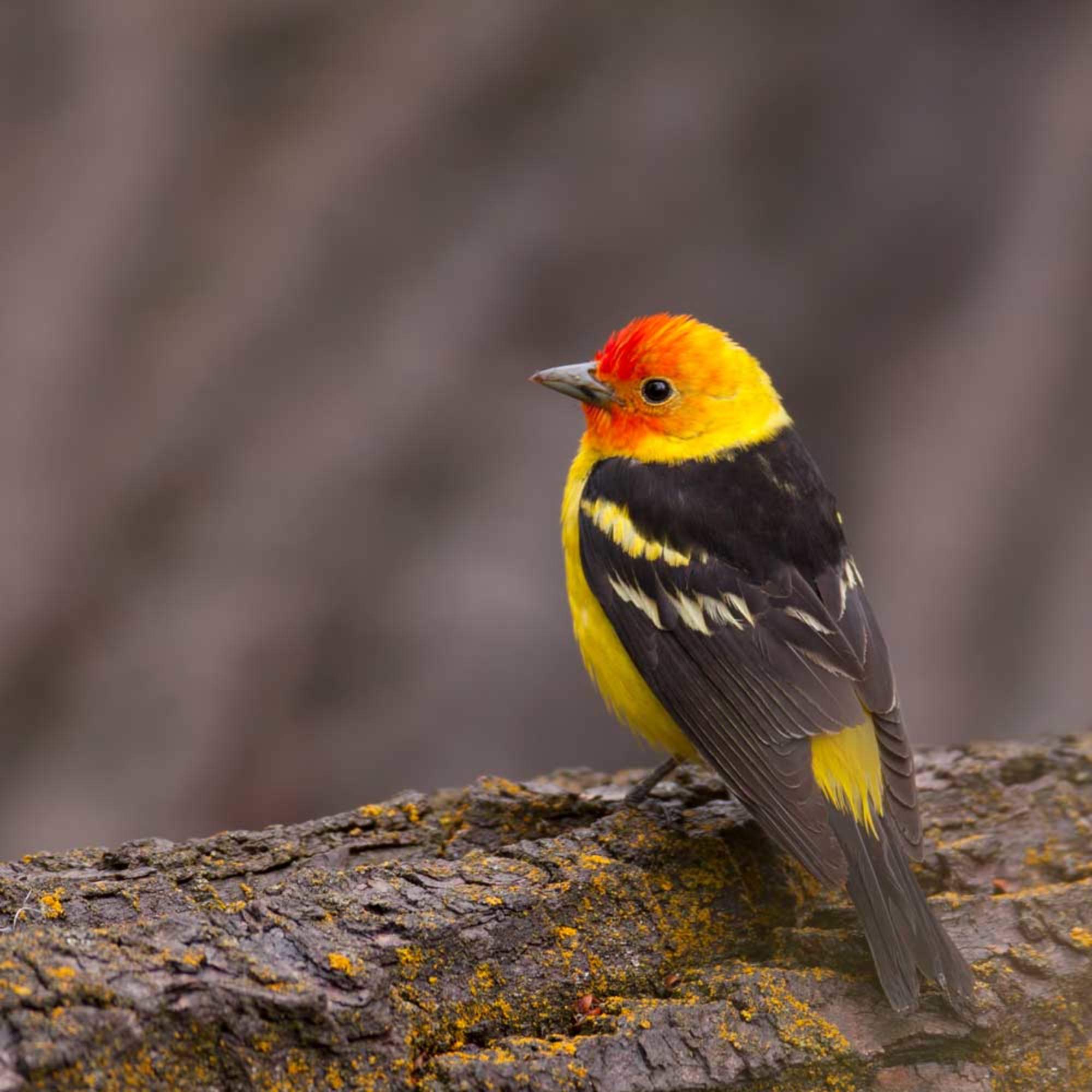
Piranga ludoviciana · Forest edge · Late April – May
The male western tanager is flame-orange on the head, butter-yellow on the body, and jet-black on the wings making a combination so improbable it looks like something escaped from a tropical aviary. Its song is a series of hoarse, robin-like phrases worth learning on Merlin before you go, because you'll hear one long before you see it. If you see only one bird this spring, make it this one.
Spot it at: The wooded edges of Round Valley and the conifers fringing Swaner Preserve.
Lazuli Bunting
Back to Top Back to Top of ListPasserina amoena · Shrubby hillsides · May
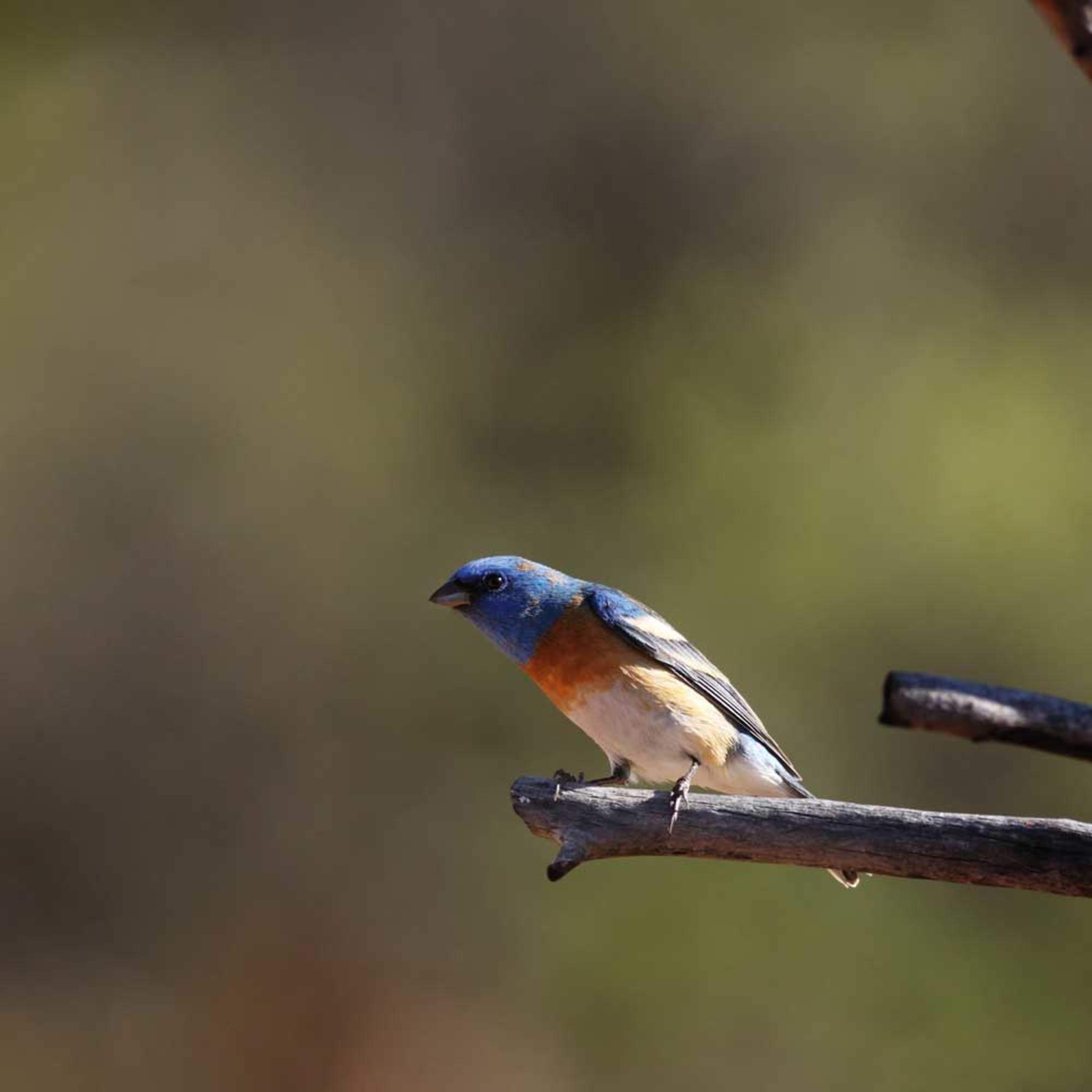
The male is a small, turquoise-and-white-and-cinnamon gem that sings from exposed perches on brushy hillsides, its rich warbling song complex and slightly different for every individual male. Finding your first one has a way of rearranging how you move through a landscape afterward.
Spot it at: The brushy slopes above Round Valley and the lower shrub zones of Parleys Canyon.
Wilson's Phalarope
Back to Top Back to Top of List
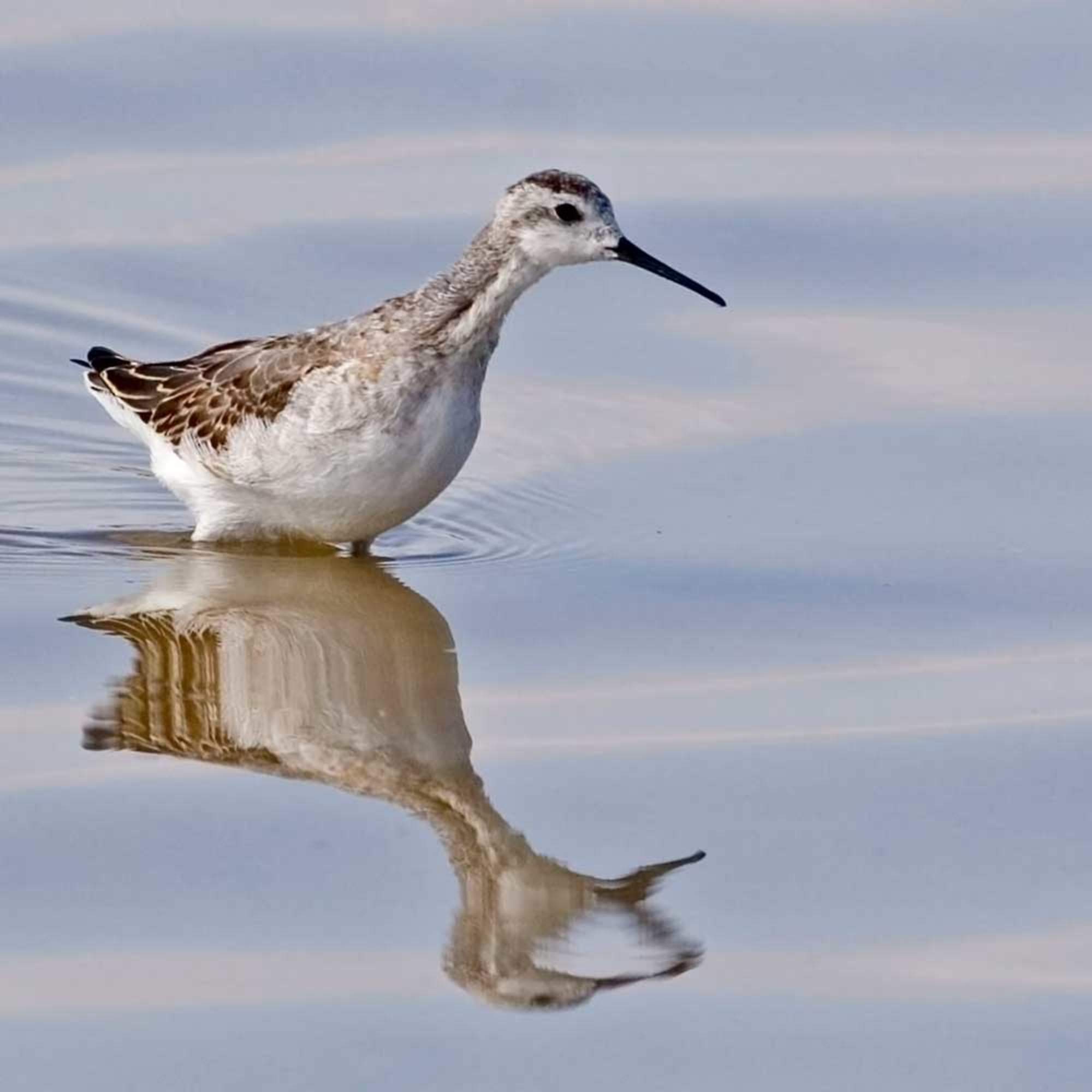
Phalaropus tricolor · Shallow wetland margins · May
Females are more brightly colored than males, and males do all the incubating. Better still, phalaropes feed by spinning in rapid tight circles on the water surface, creating upwellings that bring invertebrates within reach; watching a group of them working a pond looks like something choreographed.
Spot it at: The shallow margins of Jordanelle Reservoir and ponded wetlands in easter Summit County and the Swaner Nature Preserve. Morning light on the water is ideal.
Common Nighthawk
Back to Top Back to Top of ListChordeiles minor · Open sky at dusk · May evenings
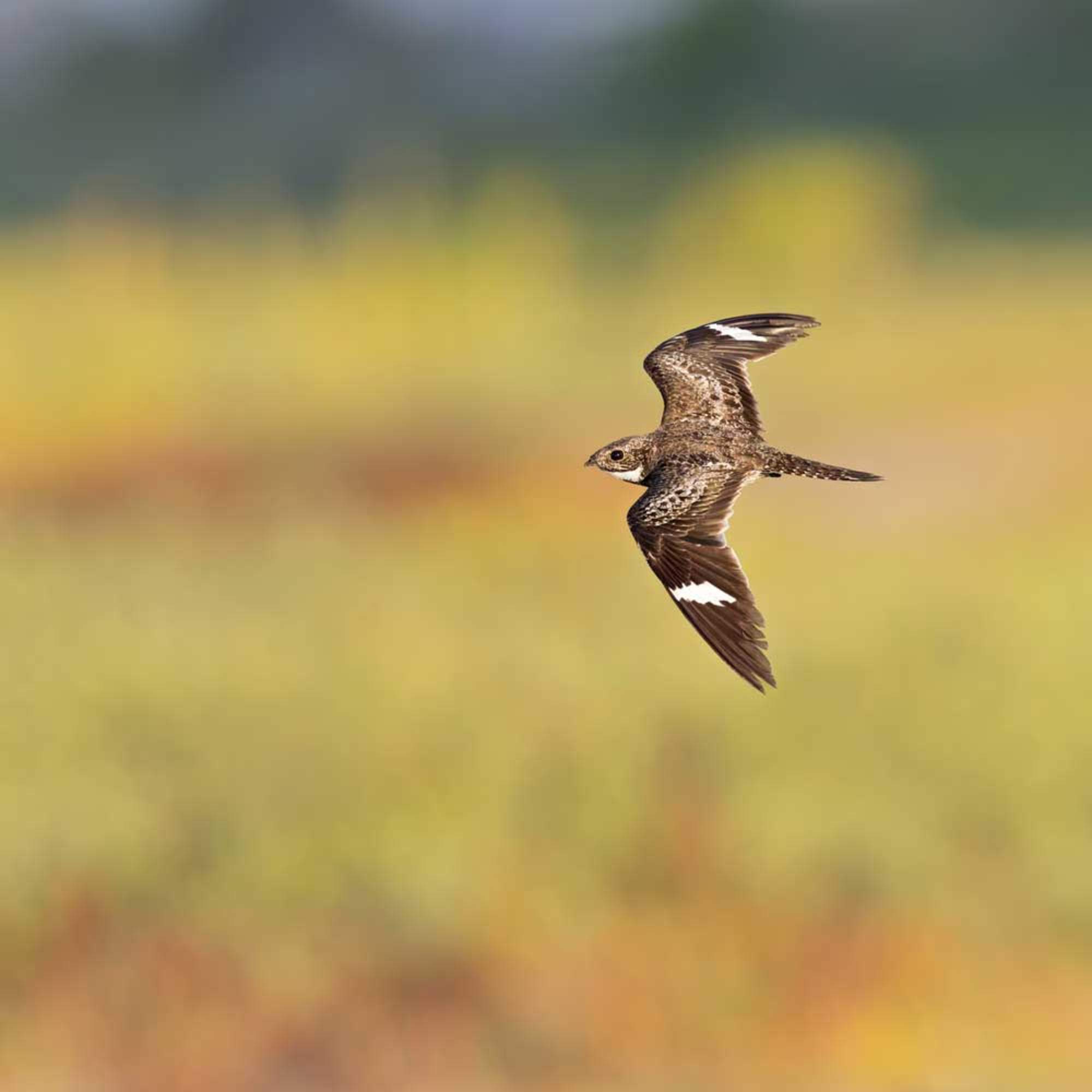
Not actually a hawk, it's a nightjar, and its erratic, buoyant flight with white patches flashing at the wing bend is like nothing else in the evening sky. The male's display dive ends in a hollow, resonant boom produced by air rushing through his wing feathers—startling and unforgettable the first time you hear it.
Spot it at: Park City's open ridgelines and above Old Town rooftops in the hour before full dark. This is a bird that rewards changing your schedule.
MacGillivray's Warbler
Back to Top Back to Top of List
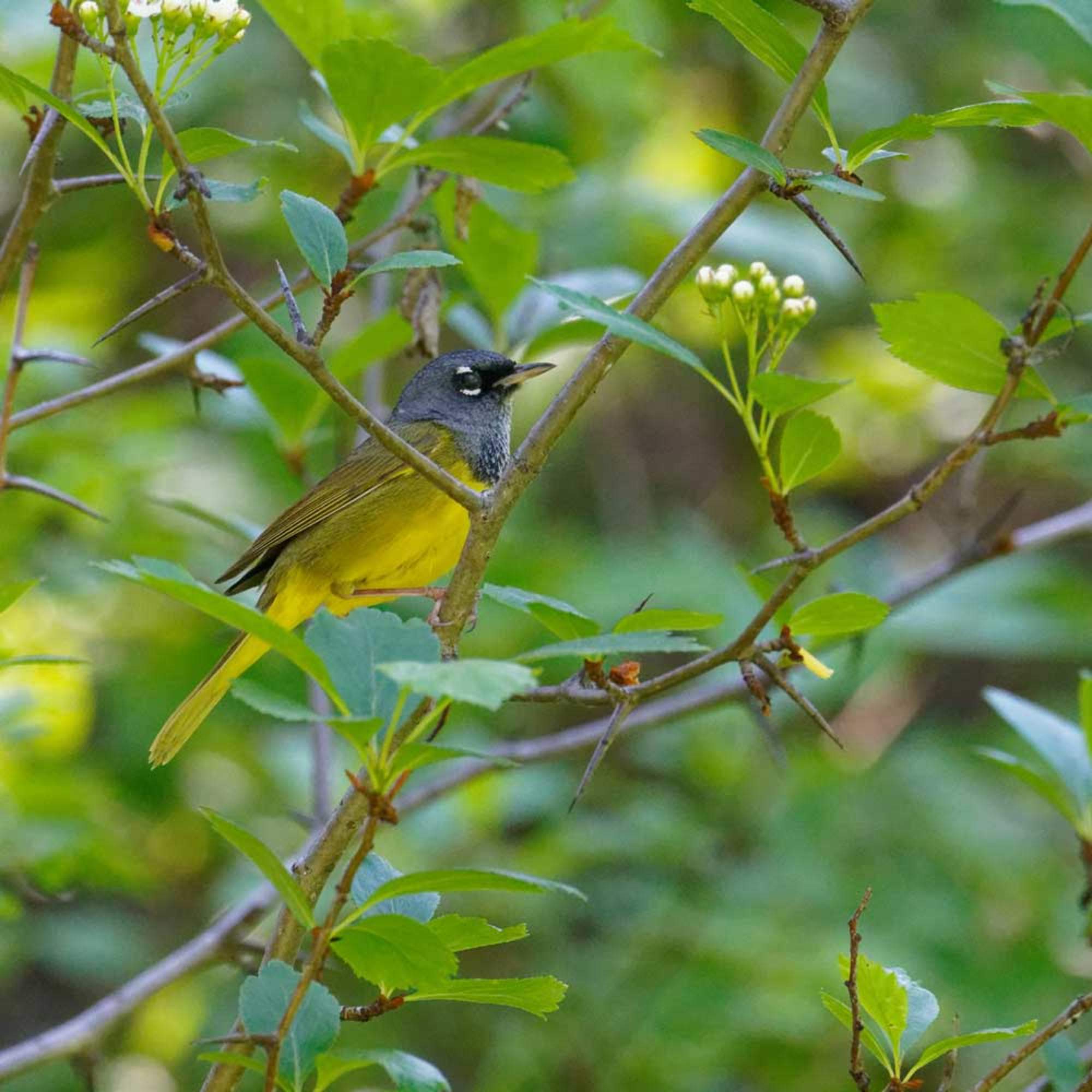
Geothlypis tolmiei · Dense riparian shrub · May
A skulker by nature, it stays low in dense willows and is far more likely to be heard than seen. Its song is loud enough to be obvious from twenty feet away, often transcribed as sweeter sweeter, sugar sugar. The male has a bold slate-gray hood and bright yellow underparts; getting a clean look takes patience and a willingness to simply wait rather than push deeper into the brush.
Spot it at: The riparian corridor along McLeod Creek and the brushy Weber River banks near Rockport.
Sandhill Crane
Back to Top Back to Top of ListAntigone canadensis · Open fields and wetlands · Late March – April (peak)
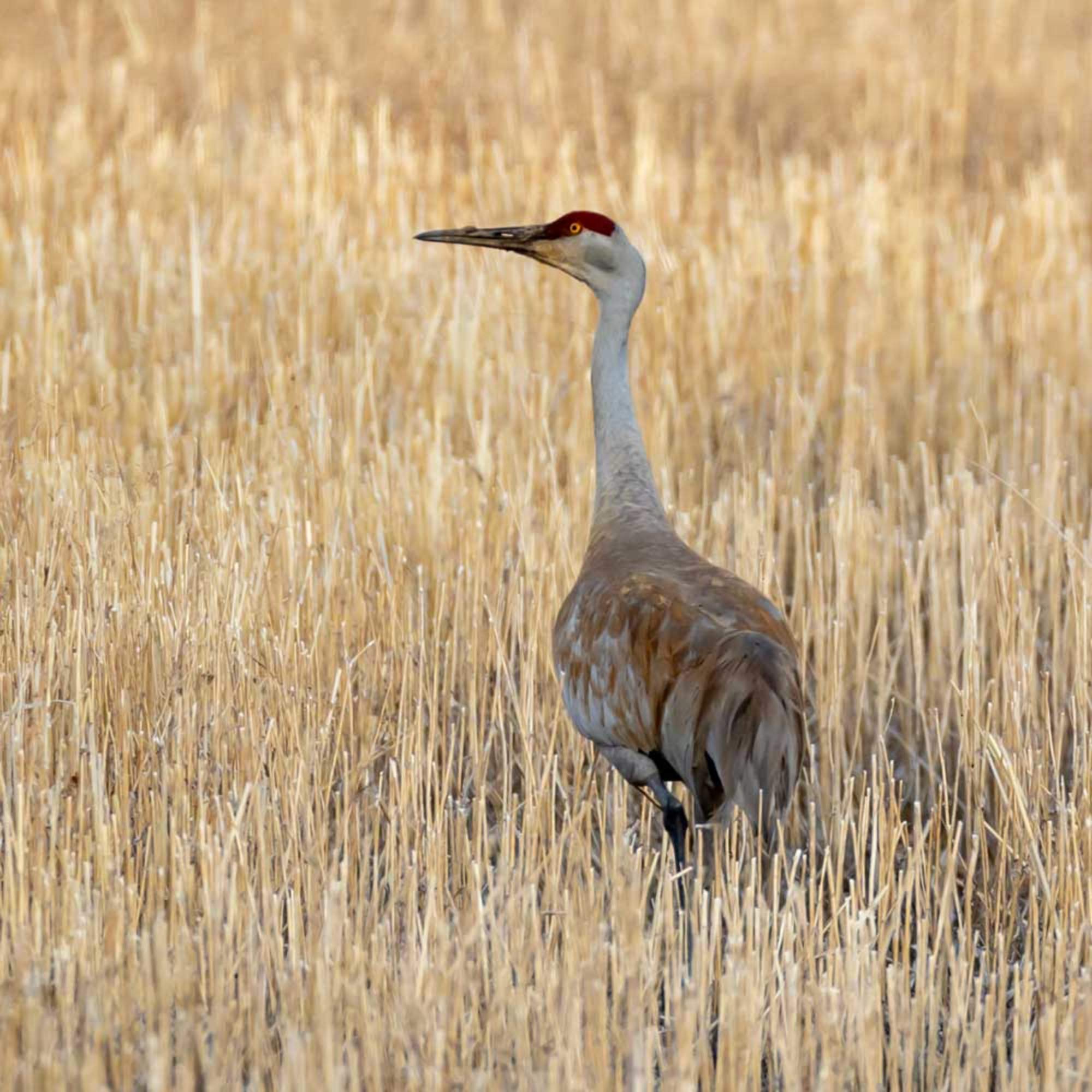
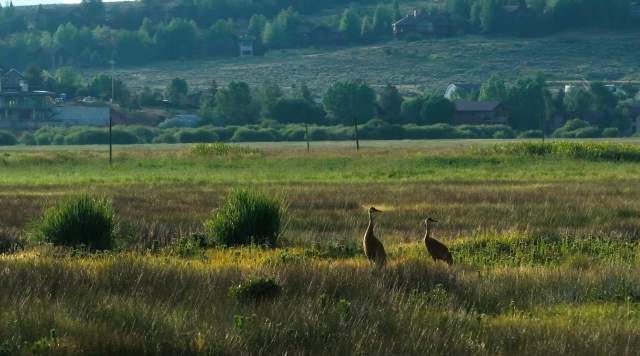
The bugling call of migrating sandhill cranes, a deep, resonant rattle that carries for miles, is one of the most prehistoric sounds you can hear in the modern American West. Cranes have been using this flyway for millions of years and pass through Utah's valleys in large numbers during the late March to early April window. (If you're reading this in May, the peak has passed—mark your calendar for next spring.)
Spot it at: Agricultural fields east of Heber City, the Swaner Nature Preserve, and the green fields in the Kamas valley on a calm morning.
William's Sapsucker
Back to Top Back to Top of List
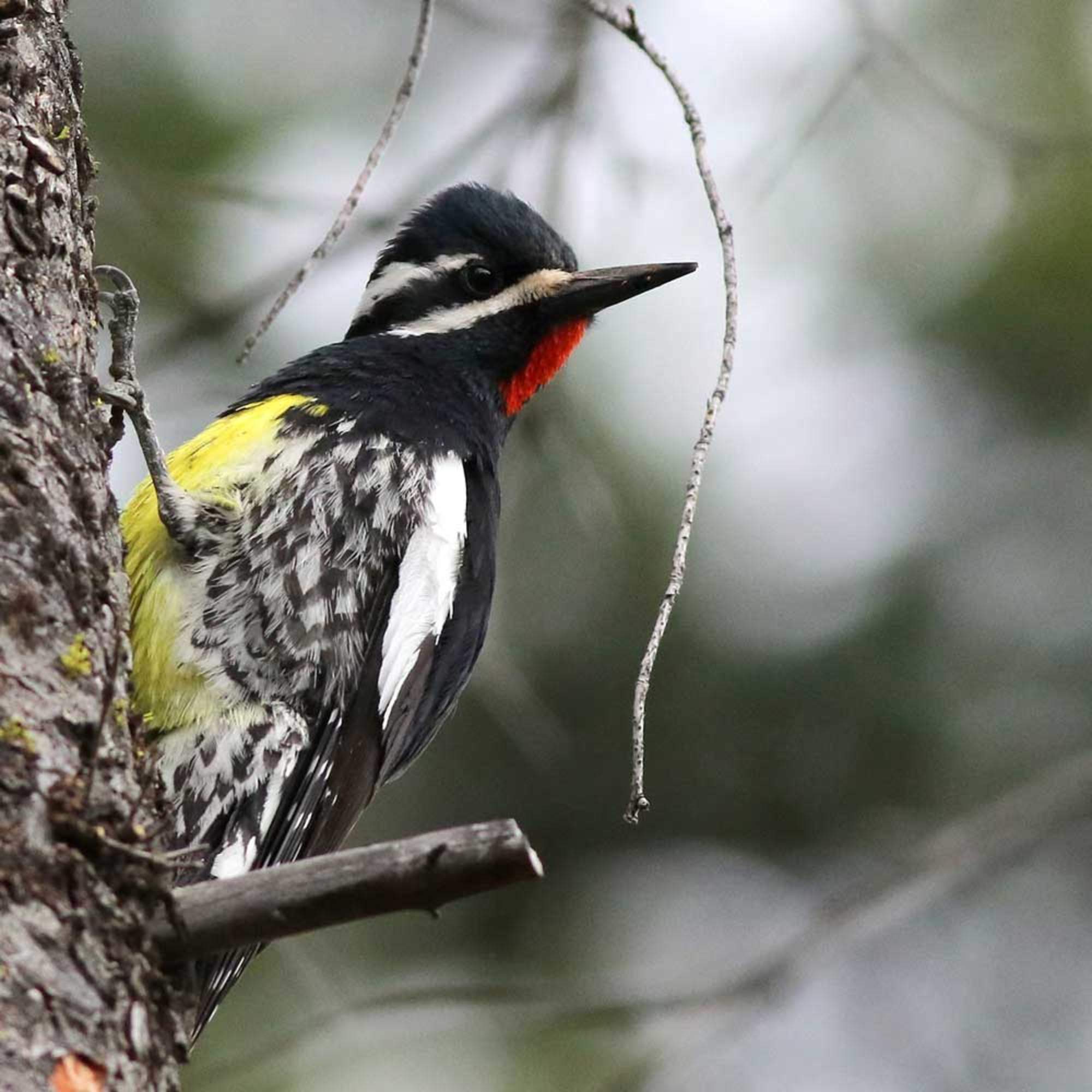
Sphyrapicus thyroideus · Mature conifer and aspen forest · April – May
Male and female look so different that early naturalists classified them as two separate species. The male is jet black, red, and white and females are a completely different palette of brown and buff barring. They drill precise rows of shallow sap wells in conifers and aspens, returning to lap sap and catch attracted insects. Look for these telltale hole rows in bark as your first clue.
Spot it at: Toll Canyon and the higher-elevation fir and aspen zones on the fringes of Park City Mountain and Deer Valley Resort.
Violet-Green Swallow
Back to Top Back to Top of ListTachycineta thalassina · Open meadows and cliff faces · April onward
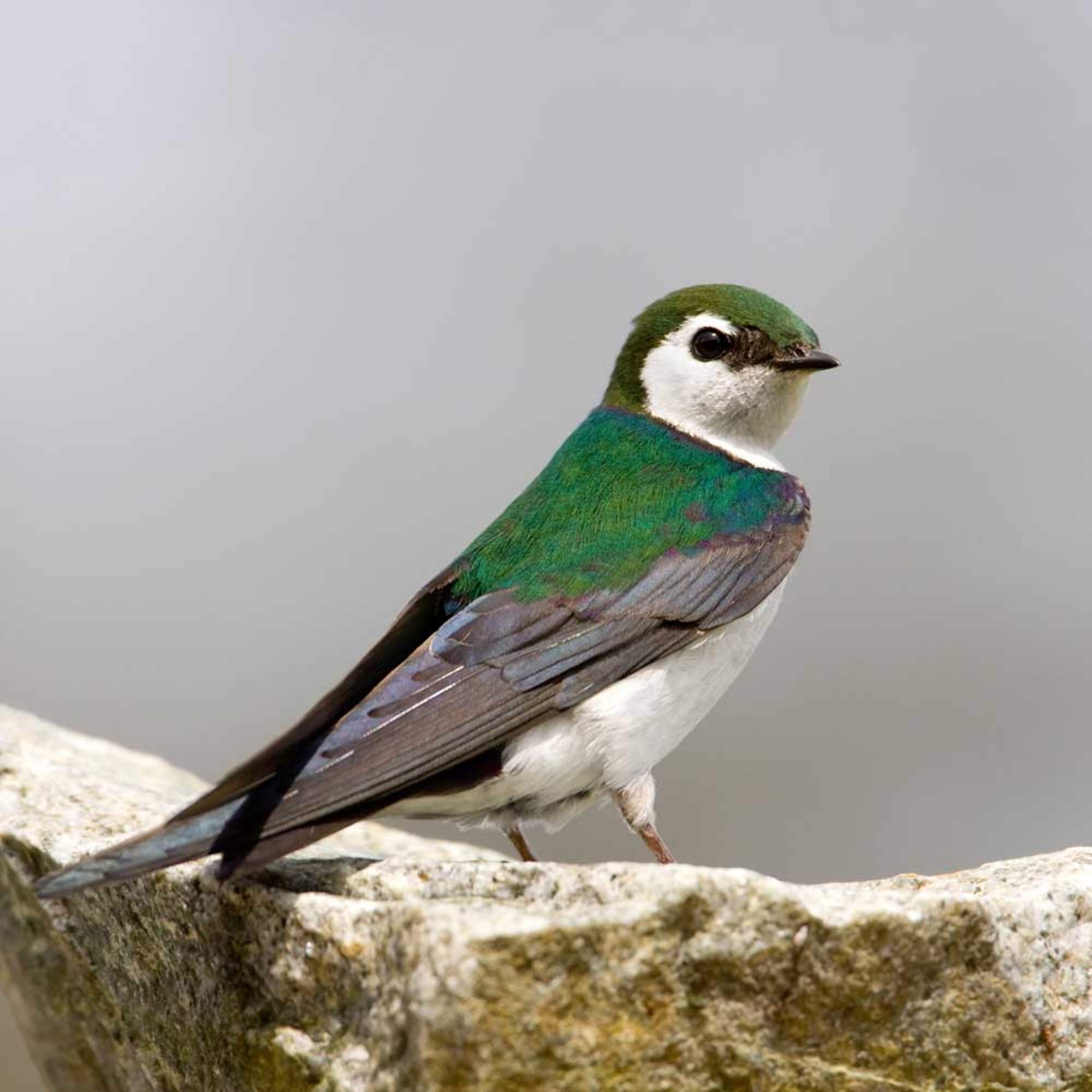
One of the earliest spring arrivals in the Wasatch, the violet-green swallow flashes iridescent green and violet upperparts in good light, with distinctive white rump patches visible as they wheel overhead. They're less a bird to look at than a bird to watch move. They're acrobatic, fast, and almost never still.
Spot it at: Swaner Nature Preserve meadows; find a bench, sit still, and let them come to you.
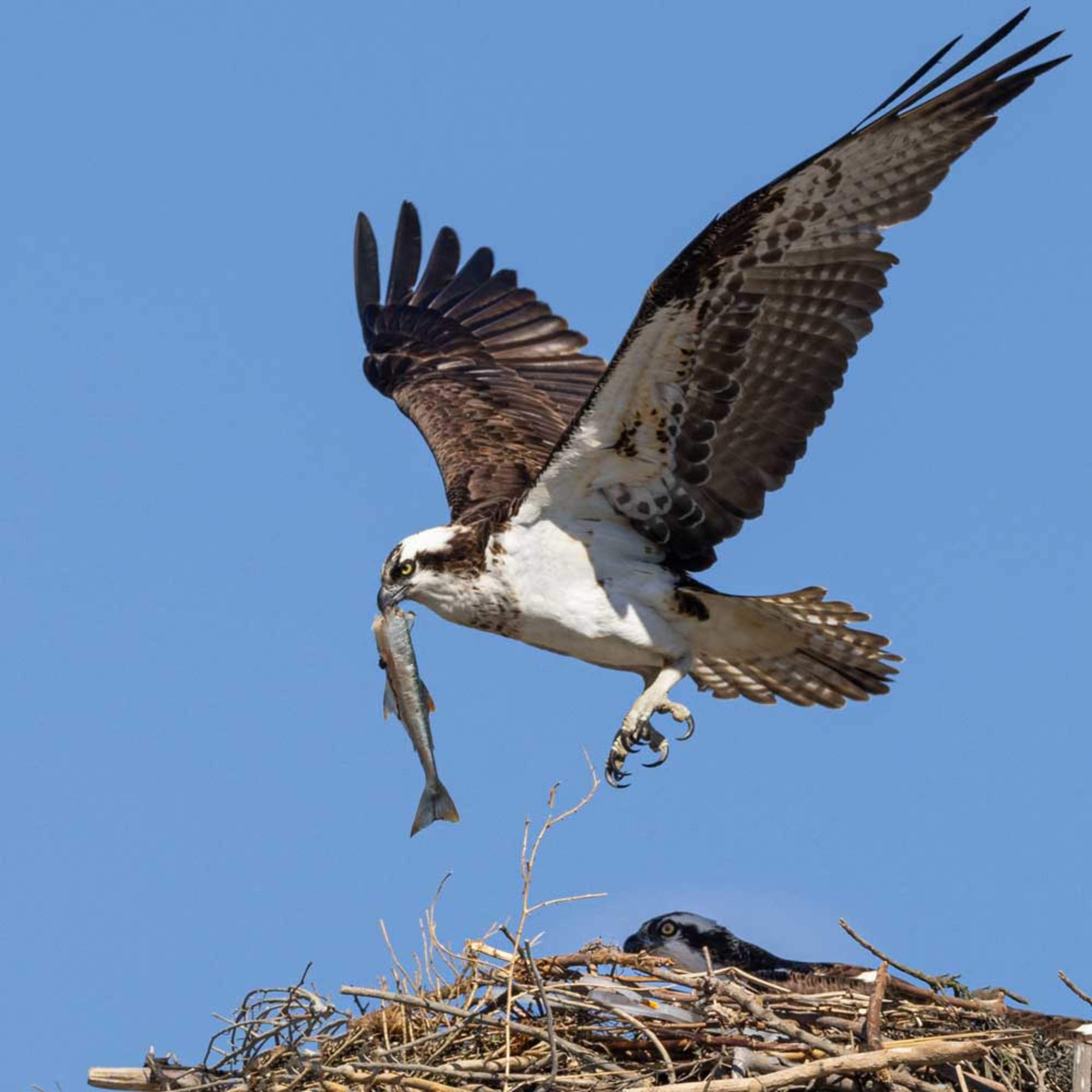
Pandion haliaetus · Reservoirs and lakes · April – May
Watch the reservoir on a calm morning and you may see one of these large, white-bellied raptors hover sixty feet above the surface, fold its wings, and drop feet-first into the water in a full-speed plunge dive. Ospreys return to the same nest platforms year after year and announce themselves with a sharp, whistled kyew-kyew-kyew. If you hear that call, scan the sky above the water.
Spot it at: Jordanelle Reservoir, where active nests are visible from the park overlook at Rock Cliff.
Yellow Warbler
Back to Top Back to Top of ListSetophaga petechia · Riparian willow thickets · Early May onward
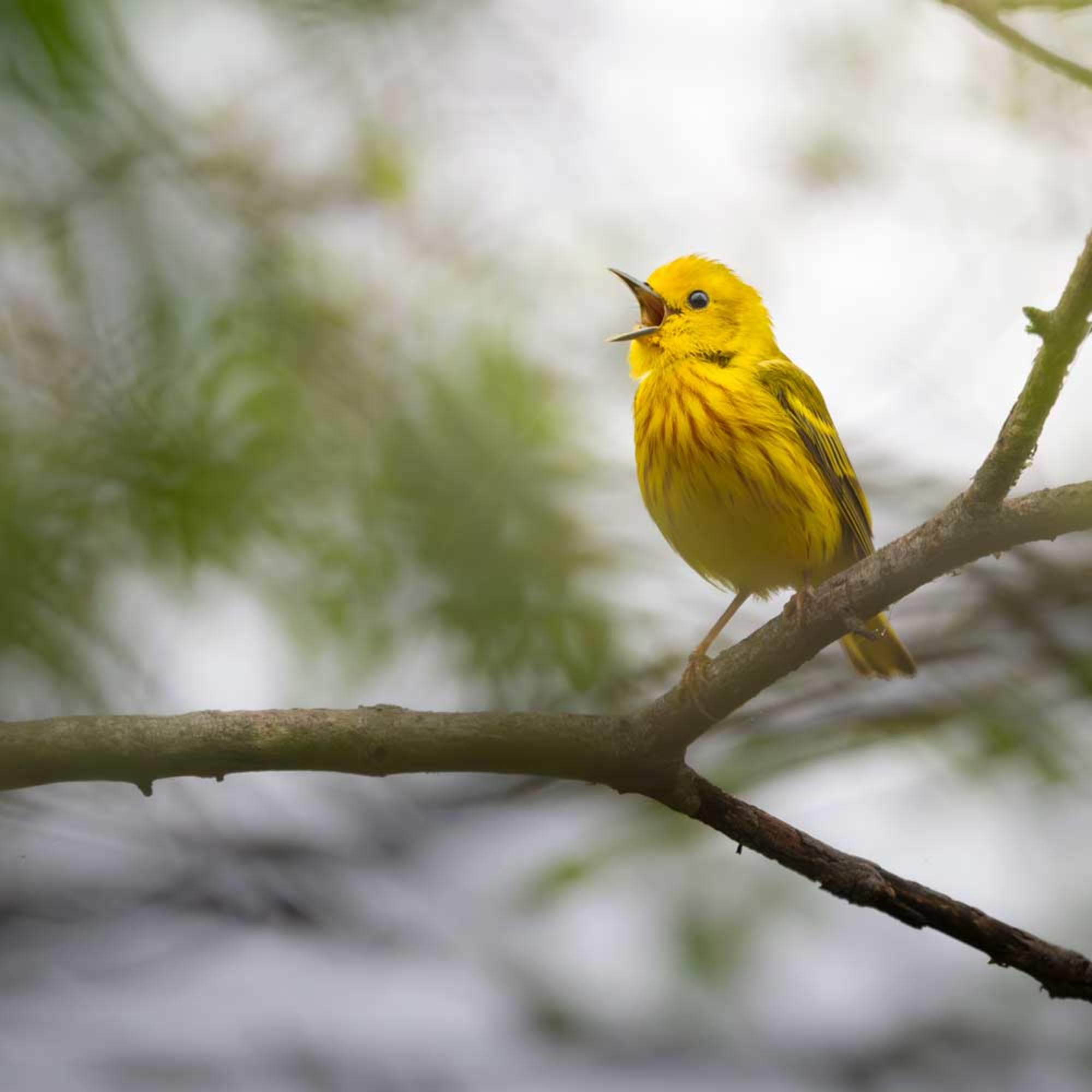
A small, luminous bird that follows willow and cottonwood corridors with almost religious devotion. Males are bright yellow with faint reddish chest streaking and sing constantly and conspicuously. Their song is one of the easiest warbler calls to learn: a bright, emphatic sweet sweet sweet, I'm so sweet.
Spot it at: McLeod Creek Trail in early May, where several singing males are often audible within a hundred yards of each other. This is a bird that seems to want to be found.
Find More Wildlife in the Local Area
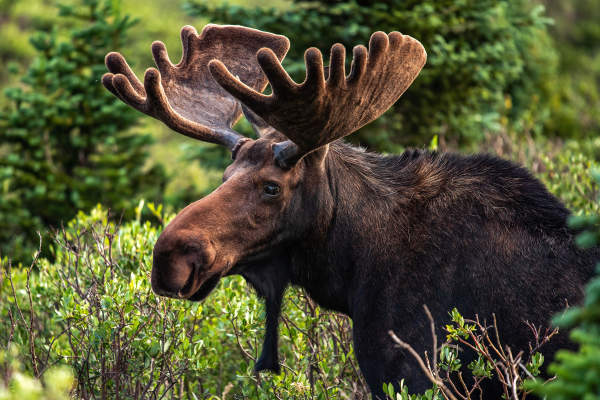
Now that you have your bird watching list, grab some binoculars and hit the trail. Though, spring isn't just for migrating birds. Moose, deer, elk, and smaller animals move down from winter habitats to take advantage of the spring vegetation. While you're pretty much guaranteed to see wildlife in Park City, always give animals plenty of space and never feed the local fauna. Take the time to learn about wildlife and get excited to see some of town's original locals.
Park City Wildlife
Park City is home to diverse species like deer, elk, moose, coyotes, foxes, osprey, eagles. In the spring, you’ll even find nesting Sandhill Cranes nesting, having made the long trek northward from the Rio Grande and Mexico! Whether you want to see wildlife up close on the…
More Adventures in Park City
Things to Do in May in Park City
May in Park City is a great time to get outside, feel the sun on your face, and dive into…
Mountains and Migration: 10 Birds to Spot this Spring
Park City and Summit County have always been places to visit, where families and adventurers…
Keep It Rolling: Why a Tuned Bike is Your Best Trail Companion
Have you ever been on a trail and heard the distinct noises of a ill-performing mountain bike?…
Tips to Avoid Spring Trail Damage
Ruts Suck! Mud is Murder! These common phrases are splashed across social media each spring…
What to do in Park City, Utah in April
Normally we would be hyping up the stellar spring skiing in April. But this year Mother…