Park City Main Street Architecture: The Stories Behind the Storefronts

Whenever I travel, I find myself looking up. I'm noticing a carved cornice, an odd little window, or a doorway that's clearly older than the building around it. Unique architecture and design have always pulled me in, especially the small details most people walk right past. So I decided to turn that curiosity on a place I know well. I set out on a self-guided walk up Historic Main Street, using the TravelStorys audio tour as a starting point and letting my curiosity steer the rest. Why does one storefront wear a fancy metal face? Why are there diamond-shaped windows halfway up the street? And how did a theater inspired by ancient Egypt end up in a Utah mining town? It turns out Park City Main Street architecture has a story on nearly every block, from a road west to a fire that changed everything.

No Name Saloon's Spanish Colonial Revival Architecture

A Stop on the Road West 

Before Park City was a town, it was a stop. In 1850, Parley P. Pratt's Golden Pass toll road ran from the meadows of Parley's Park into the Salt Lake Valley, collecting tolls from gold seekers headed to California. Silver came later, and with it, the railroad. That's where my walk began, at the foot of Main Street. Most of us know Le Depot as a restaurant, but its half-circle porch awning hints at a much bigger past. This is the building that made Park City possible. Completed in 1886, the Union Pacific depot tied the town to the transcontinental railroad, built largely by Irish and Chinese workers. Trains hauled silver ore out and coal in, along with new faces, fresh supplies, and news from the outside world. Standing under that awning, it's easy to picture the platform crowded with miners stepping off the train with everything they owned. It's the last survivor of the town's railroad buildings, and it's listed on the National Register of Historic Places. Not every story nearby is so buttoned-up. The red light district once sat near the tracks, and later moved up what's now Deer Valley Drive. Its best-known madam, Rachel "Mother Urban," was known for looking after the women who worked for her and making sure they were cultured and educated. Her own home was nicknamed the Purple Parlor.

Architectural Details of Flanagan's on Historic Main Street

The Morning Main Street Burned

Before dawn on June 19, 1898, a Chinese cook spotted flames at the American Hotel near the top of the street. The sheriff fired three pistol shots to wake the town, but strong winds were already pushing the fire through the narrow canyon. No one knows exactly how it started. Some say the hotel kitchen, others a lamp in a guest room. By morning, most of Main Street was gone, including both opera houses and Chinatown. What happened next is my favorite part—Parkites rallied, and together they brought Main Street back stronger than before. Once you know about the fire, the street reads differently. Near the top of Main, the First National Bank's six tall arched windows, each crowned with leaded glass beneath an ornate brick cornice, start to look like a promise. Designed by prominent Utah architect Frederick Albert Hale, it was one of the first brick buildings begun after the fire, built to show that Park City was here to stay. Halfway up the street, the Park City Museum's tall bell tower rises above Main like a lookout. City Hall's facade survived the flames, and in 1901 the town added the tower and a 1,500-pound bell to warn of future fires. Firefighters even hung wet hoses inside it to dry. Its nightly 10 p.m. test became the Ten O'Clock Whistle, a tradition locals still know well.

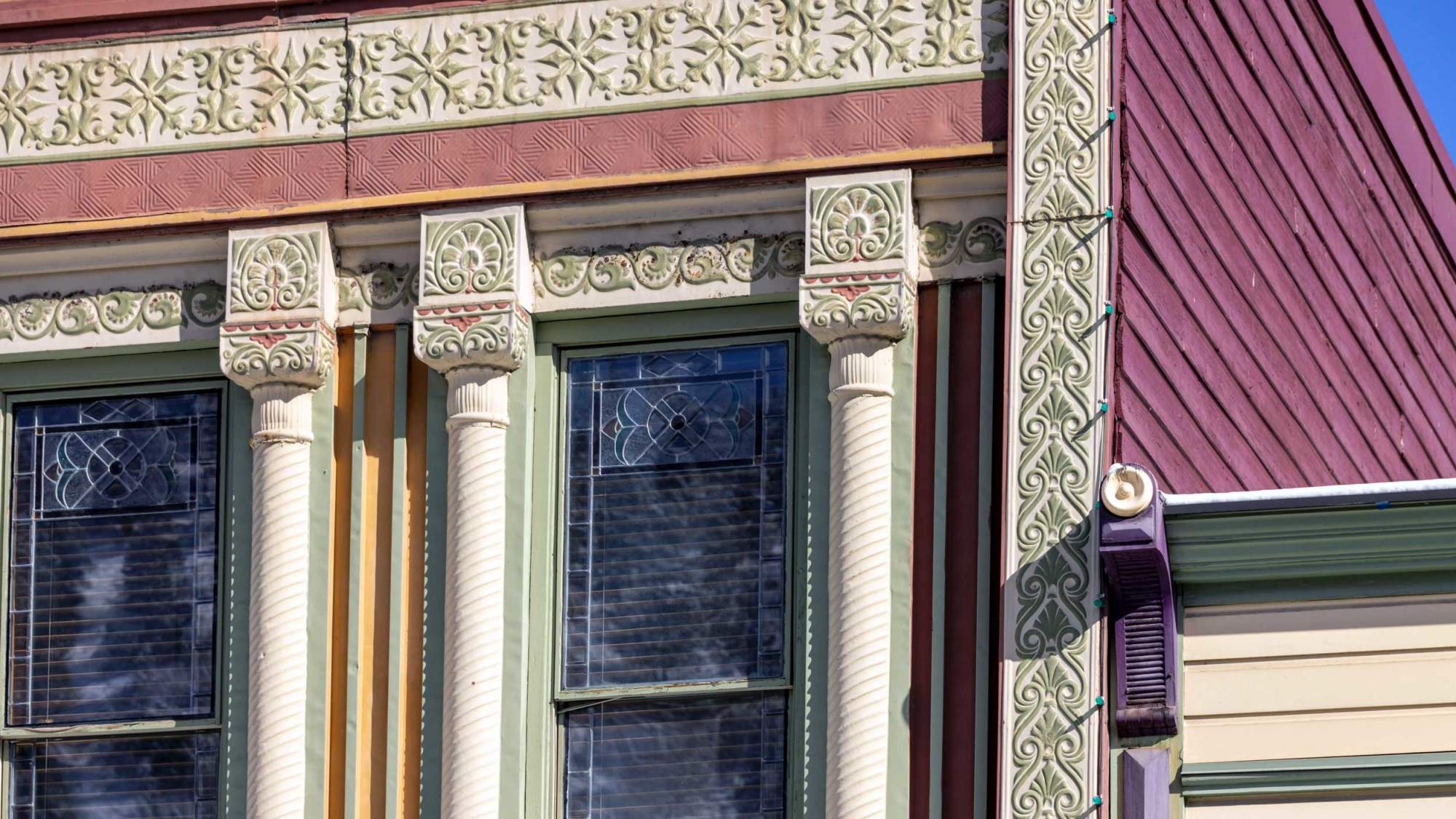
Not every rebuild was strictly practical, though. I'd always thought Flanagan's on Main looked a little fancier than its neighbors, and it turns out I was right. The former funeral parlor and furniture store ordered its ornate metal front by mail from George L. Mesker & Company. A mail-order facade! It's been voted Park City's most beautiful building many times, and I can see why.

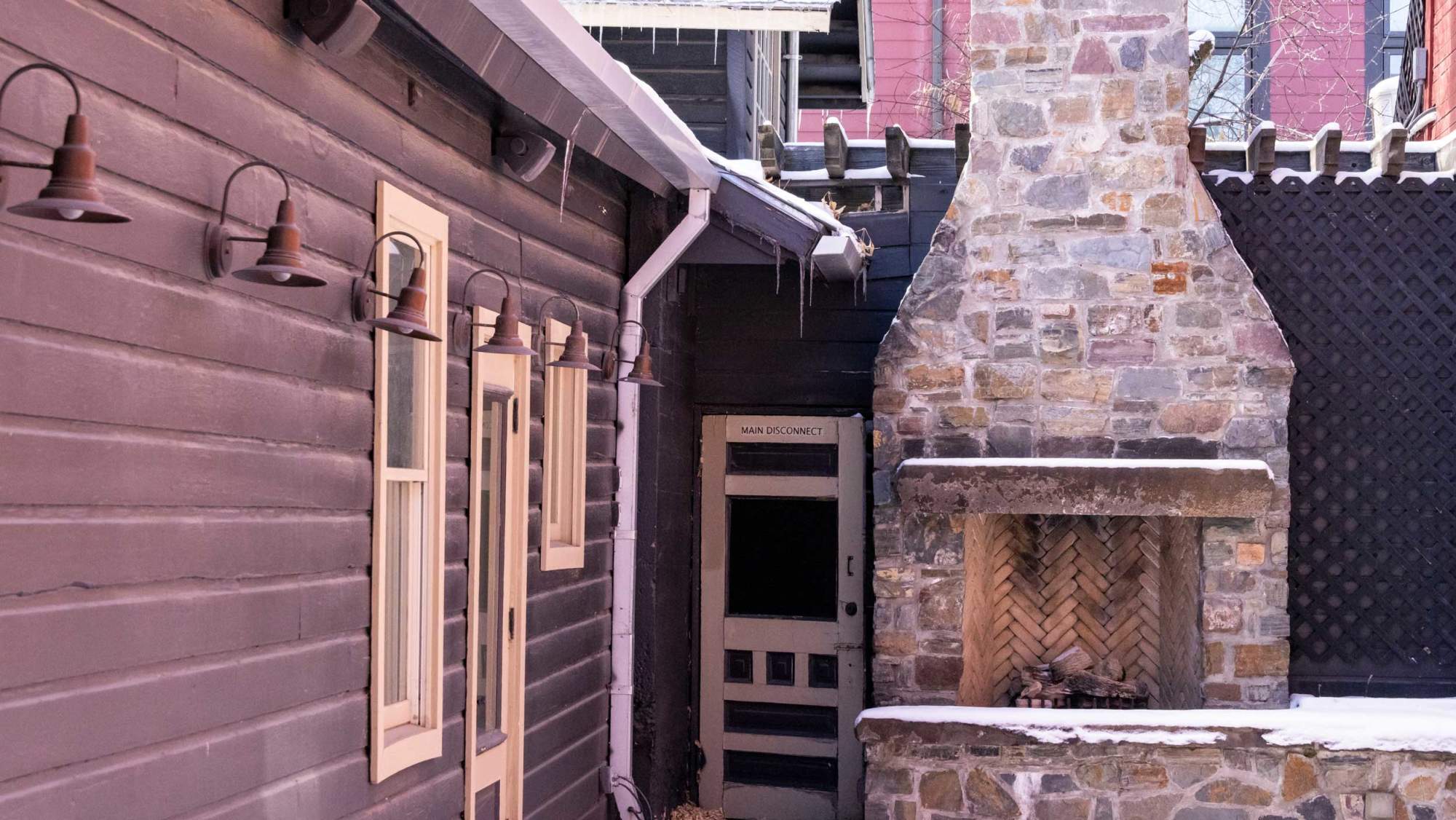
Historic Fire Place on Main Street Park City

Built By Many Hands

The people who rebuilt Main Street came from all over the world. Most were Irish, alongside Swedish, Finnish, Cornish, Chinese, Scottish, and Yugoslavian neighbors. Midway up the street, the Masonic Hall's diamond-shaped windows wink down at passersby, a quirky detail that spent years hidden under siding until a 1983 restoration brought it back. Today, the hall is home to Riverhorse on Main, with the three-story Elks lodge standing shoulder to shoulder next door. Fraternal lodges like these had chapters in nearly every mining town, and they mattered. For miners who had left their families behind, the lodges eased loneliness and offered burial and health benefits the mines didn't. The Church of Jesus Christ of Latter-day Saints had little influence in mining-era Park City, so many faiths built churches here. Just above Main Street, St. Mary's Old Town Chapel, built of native stone in 1884, is the oldest remaining Catholic church in Utah. Look back down Park Avenue, and you'll spot other old steeples. Some, like the 1907 St. John's Swedish Lutheran Church, are private homes now, so admire them from the sidewalk. Nearby, the limestone Washington School House tells its own story of reinvention. Built in 1889 as one of Park City's first schools, it survived the Great Fire, later became a VFW dance hall, and now welcomes guests as a boutique hotel.

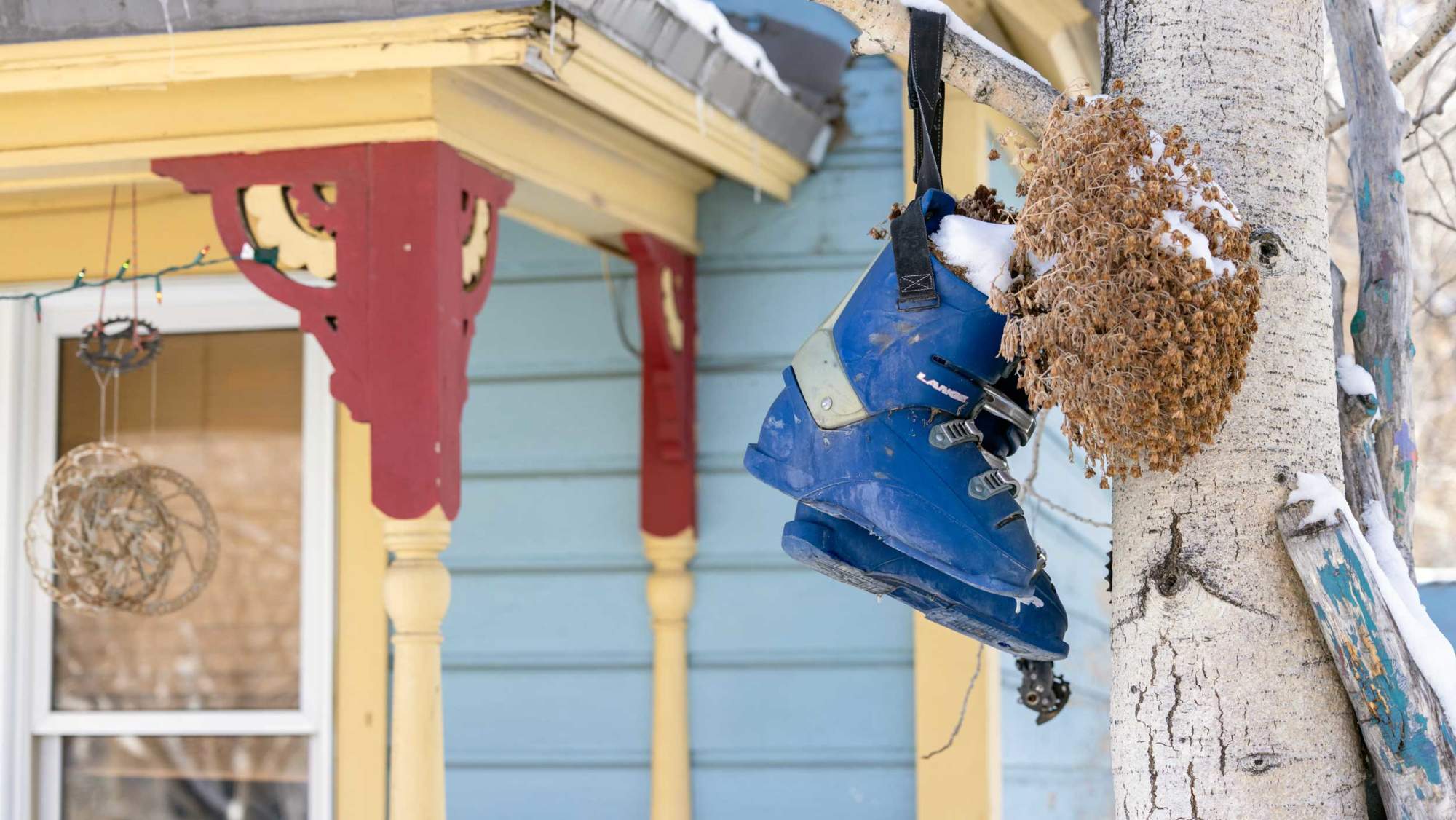
Ski Boots Hanging from Tree in Front of Historic Home in Park City

Main's Street's Next Act

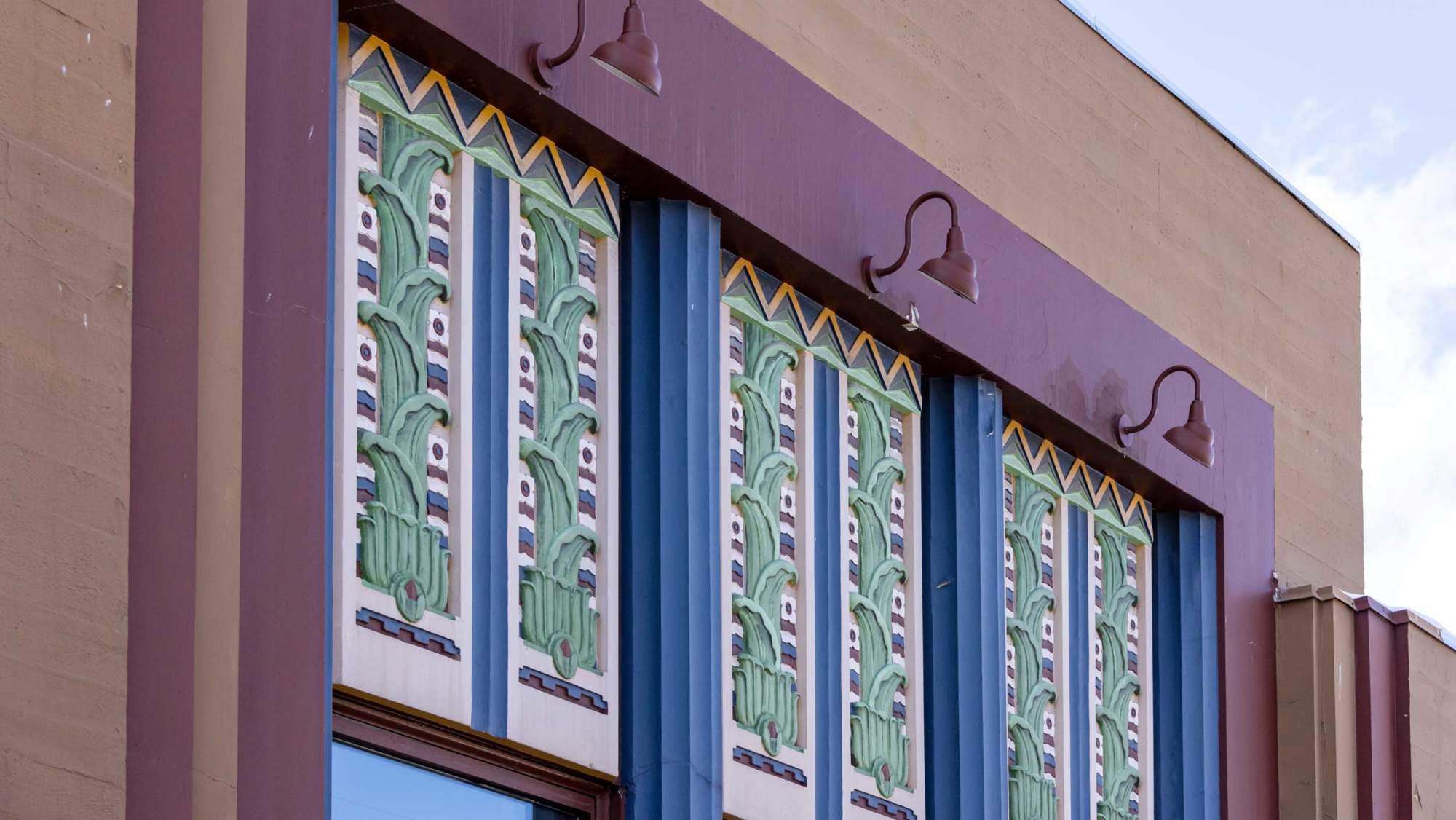
The Egyptian Theatre is the building I'd most love to time-travel into. Its Egyptian Revival front looks like it wandered in from another world, and that was the point. It opened on Christmas Day 1926, giving families a place to gather on a street long known for saloons, with movies and traveling vaudeville acts on the bill. Picture families lined up outside on a snowy winter night, buzzing about the show. It celebrates its 100th anniversary this December. Down the street, the No Name Saloon's Spanish Colonial Revival front adds a dash of the Southwest to a mining-town street, proof that Main Street never settled on just one look. Near the top of the street, Treasure Mountain Inn tells the next chapter. Opened in 1965, it was Utah's first condominium-style hotel, built just as Park City began turning from mining town to ski town.

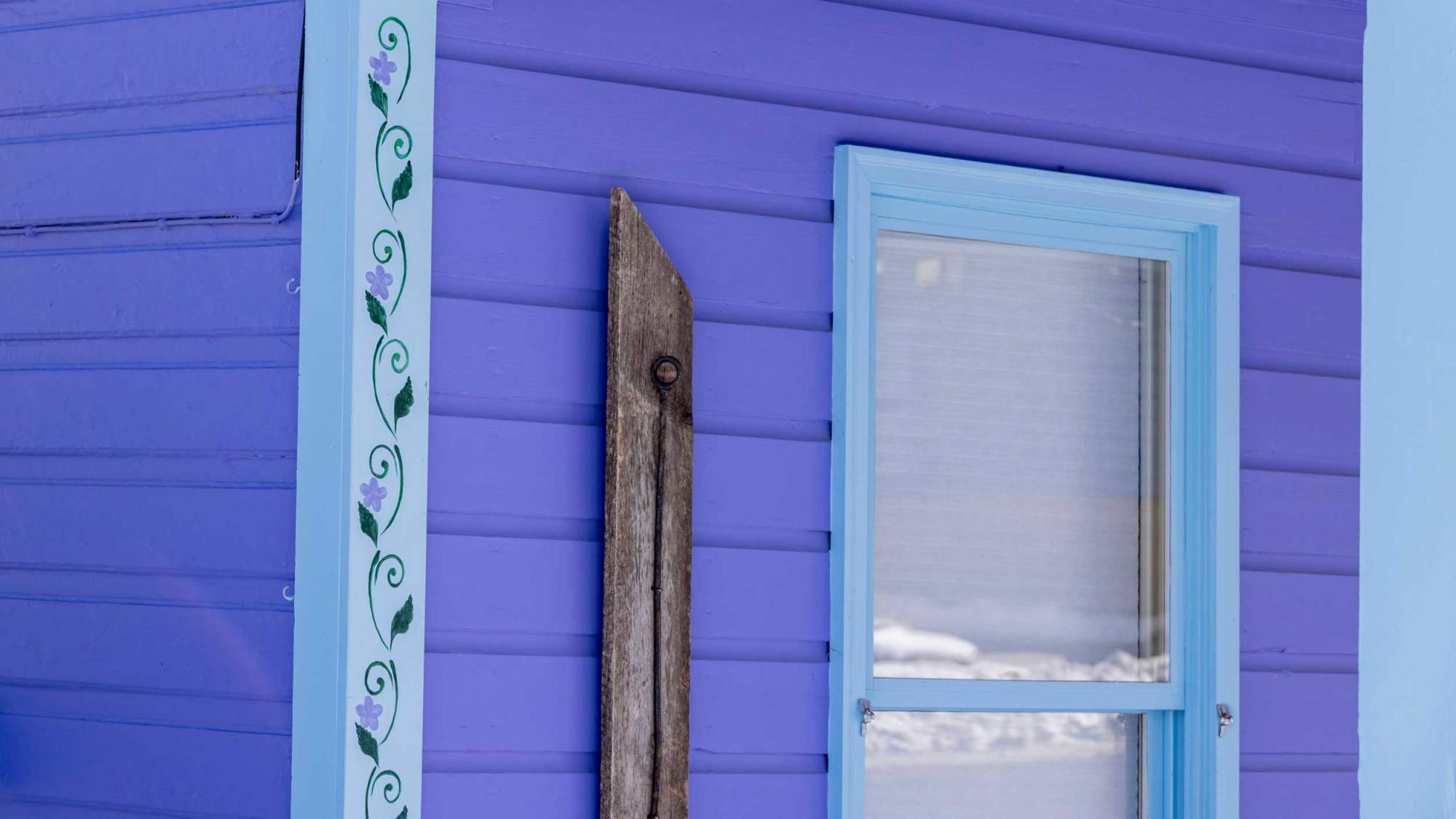
Building Details of Historic Colorful Homes on Park Ave.

Looking Up

Main Street joined the National Register of Historic Places in 1979, and the city calls it the best remaining metal mining town business district in Utah. Keeping it that way takes real work. To earn a spot on the city's Historic Sites Inventory, a building generally has to be at least 50 years old and still look much like it did in its historic era. From there, nearly any exterior project, from new windows to an addition, goes through a city design review. Since 1987, a matching grant program has helped owners pay for preservation work. It's a team effort, one restored window and repainted cornice at a time. These places may feel familiar, but now they feel like neighbors with stories to share. Next time you're on Main Street, join a Park City Museum guided walk, and take a moment to look up. What details will you notice first?

Architectural Details of the Marquis on Main Street

More Adventures in Park City

For even more inspiration and stories from Park City—view our year-round visitor guide or request one in the mail.