Having grown up under the snowcapped peaks and sheer west face of Mount Timpanogos, exploring winter landscapes is interwoven into my existence. Thanks to Ski Utah’s winter passport, which at the time offered free access to ski resorts for specific elementary grades, my dad taught me to ski in fourth grade. Visiting Utah’s ski resorts is among my most vivid school-age memories. I loved the sense of adventure, especially the ski resort culture, which felt so different from my home in Pleasant Grove.
Falling in Love with Snowboarding
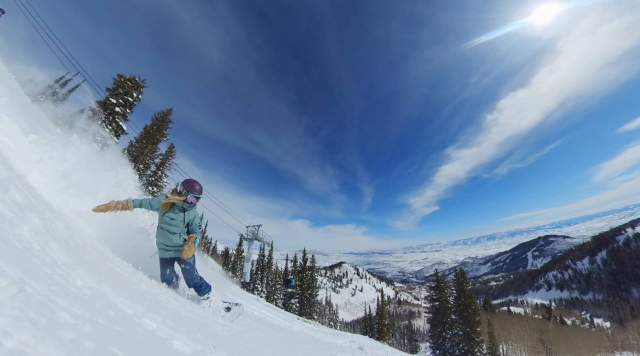
Sometime in junior high, leading up to the 2002 Winter Olympic Games, I was introduced to snowboarding and fell in love. Snowboarding quickly became central to my identity. It was an opportunity to participate in a shared existence and community.
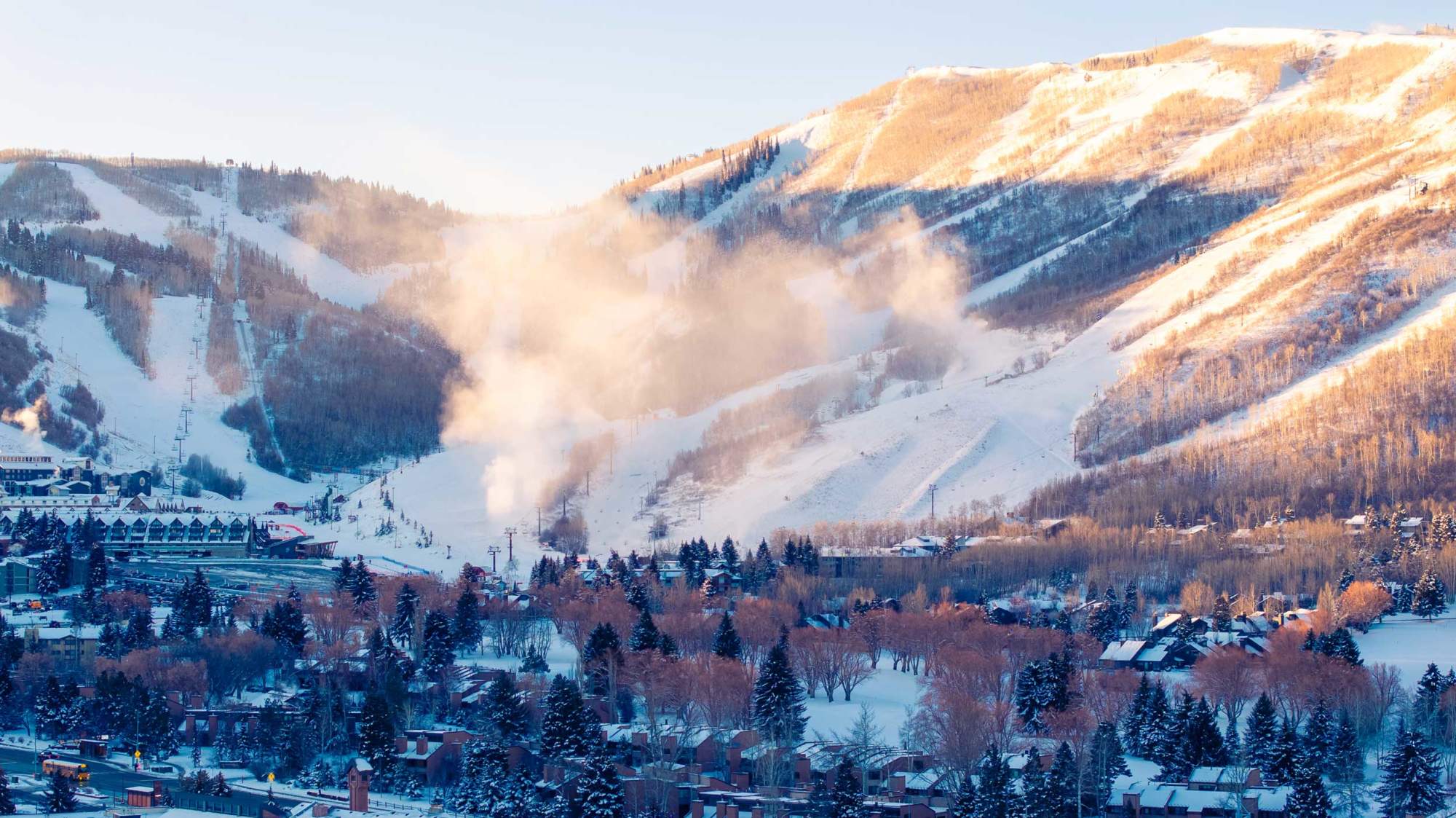
Every Christmas, I asked for a season pass to Park City Mountain. Each weekend arrival in Park City felt like coming home. My sense of self was rooted in the blossoming snowboarding community. Park City was becoming known as the training ground for professional slopestyle and halfpipe riders, and I couldn’t get enough of the scene.
Discovering the Backcountry
A deep connection to and love of Park City Mountain inspired me to move to Kimball Junction while finishing college at the University of Utah. That’s when I first encountered backcountry skiing. My boyfriend at the time, now my husband, Chris, got a set of Alpine Trekkers, alpine ski-binding inserts that allow a free heel and uphill movement. He began exploring the backcountry accessible via the Canyons Resort, and I learned about the basic equipment: skins, beacon, shovel, and probe.
I longed to experience this sport with him. However, splitboard technology was still in the making.
A Janky First Splitboard
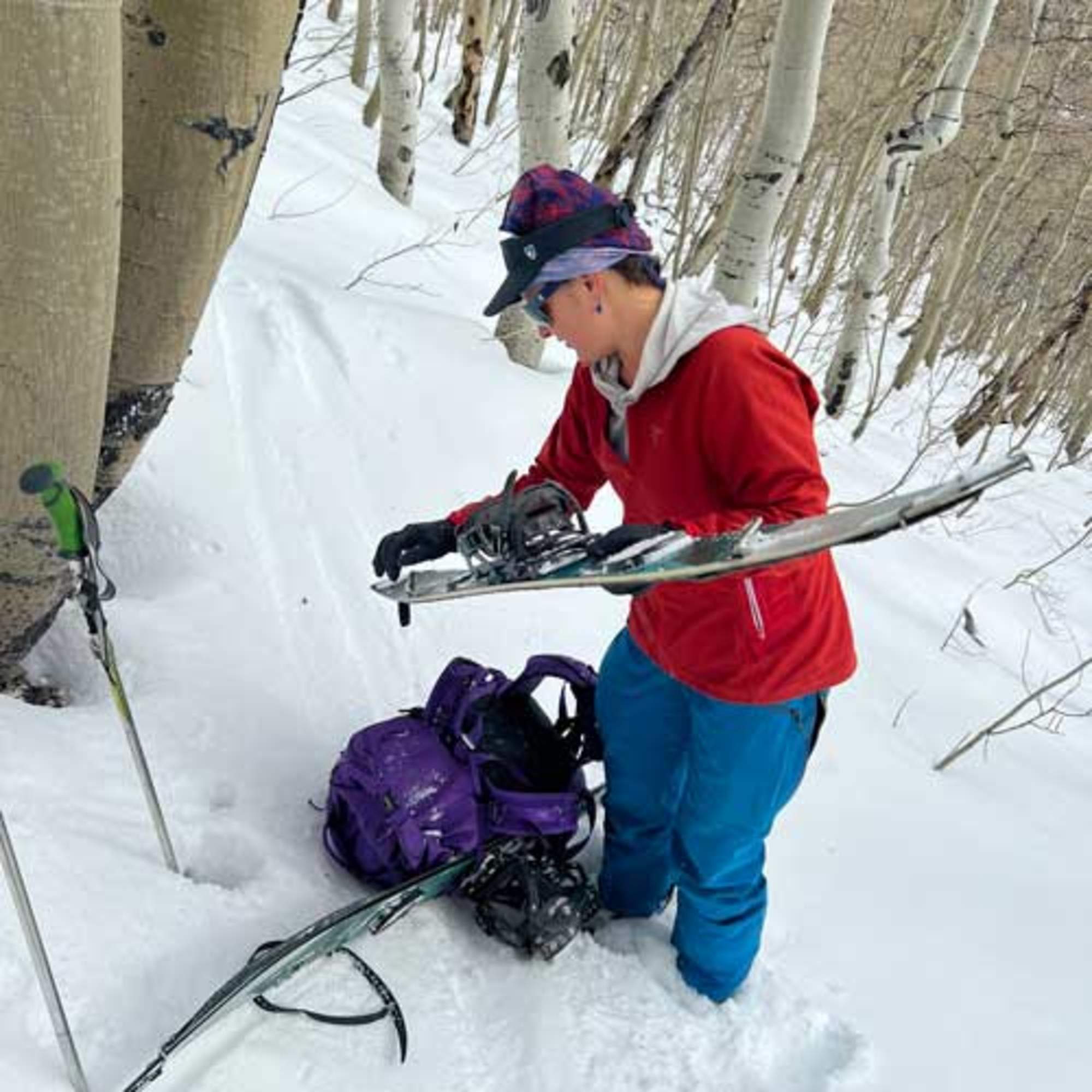
When I finally got my first splitboard, it was an early Voilé prototype. A janky homemade device, comprised of an alpine snowboard sawed in half lengthwise and a pair of resort snowboard bindings mounted on a sliding plate. The result was a tool that could move uphill in split mode, on two planks like skis, with skins on the bottom and a free heel.
When the board was reassembled for the descent, standing on the bindings felt like riding down on platform shoes. It wasn’t sleek like ski touring setups at the time. Despite the clunkiness, it was my pass to explore the backcountry.
Learning the Risks and Rewards
I took my first avalanche safety class with White Pine Touring and began relishing the use of my Park City Mountain Resort season pass to access backcountry terrain from Canyons Village. It was empowering and thrilling to surf down untracked powder. I explored Bear Trap Glades, Bear Trap Aspens, and the surrounding runs with a handful of trusted partners.
As my interest and investment in splitboarding blossomed, Chris began a decade-long journey toward an International Federation of Mountain Guides Association (IFMGA) certification.
Growing Into Bigger Objectives
His expertise in backcountry skiing grew in tandem with alpine climbing, and he took me along on increasingly complex and extreme objectives, which I relished.
As splitboard technology advanced, I swapped the DIY model for a factory-made split and gathered the equipment needed for ski mountaineering objectives: ski crampons, boot crampons, and an ice axe.
Immersion in Ski Mountaineering
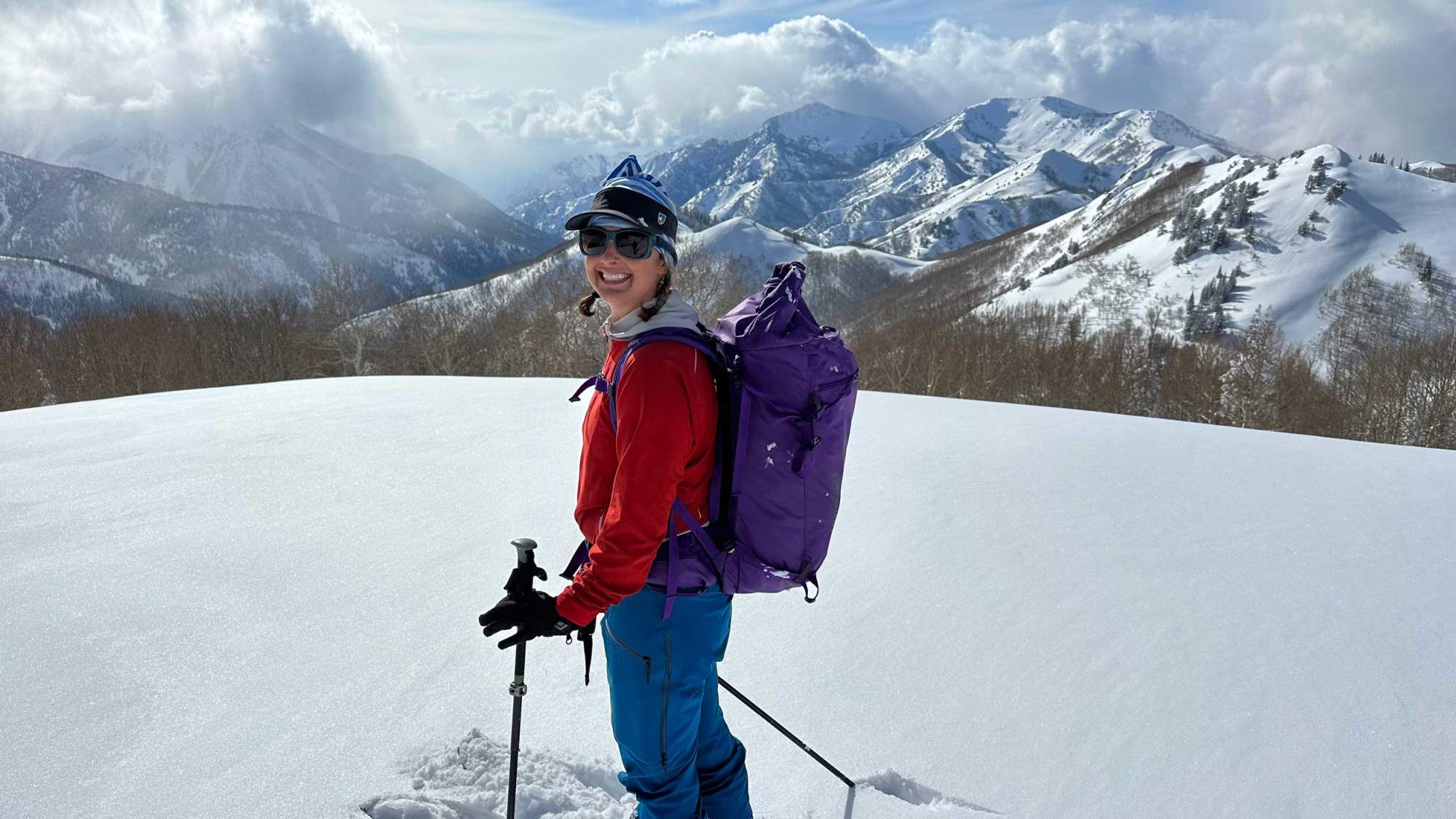
We explored Wasatch peaks with more technical ascents and descents. A trip to Williams Peak Yurt in the Sawtooth Mountains with a group of Wasatch-based professionals, avalanche forecasters and ski guides, marked my first immersion in full ski-mountaineering objectives.
I loved the excitement of strapping my splitboard to my backpack, attaching crampons to my boots, and cautiously ascending with coordinated foot and ice-axe movements. The greatest thrill came while descending untracked snow in steep, rock-lined couloirs. I was naïve about how high the consequences were, and for that trip, ignorance was bliss.
When Loss Changes Everything
As any seasoned backcountry traveler knows, the sport and pursuit carry real risk. As my excitement around split mountaineering grew, we began losing friends and acquaintances in the mountains. Over time, the losses took a toll.
I could no longer traverse an exposed ridgeline or discuss avalanche conditions without considering the real-life implications of riding technical, avalanche terrain. Caution, laced with fear, began to seep into my backcountry riding.
Chamonix and the Breaking Point
When Chris and I booked a trip to Chamonix, France, he was two exams away from IFMGA certification. His ambition was to use the experience to sharpen his skills ahead of an upcoming AMGA alpine climbing exam.
April weather was moody and cold. Whiteout conditions persisted for most of our stay, which made glacier travel unsafe. Our condo in Chamonix was a five-minute walk from the Aiguille du Midi, a tram that ascends nearly 9,000 vertical feet to the immense spires of the Mont Blanc massif.
The Cosmiques Couloir
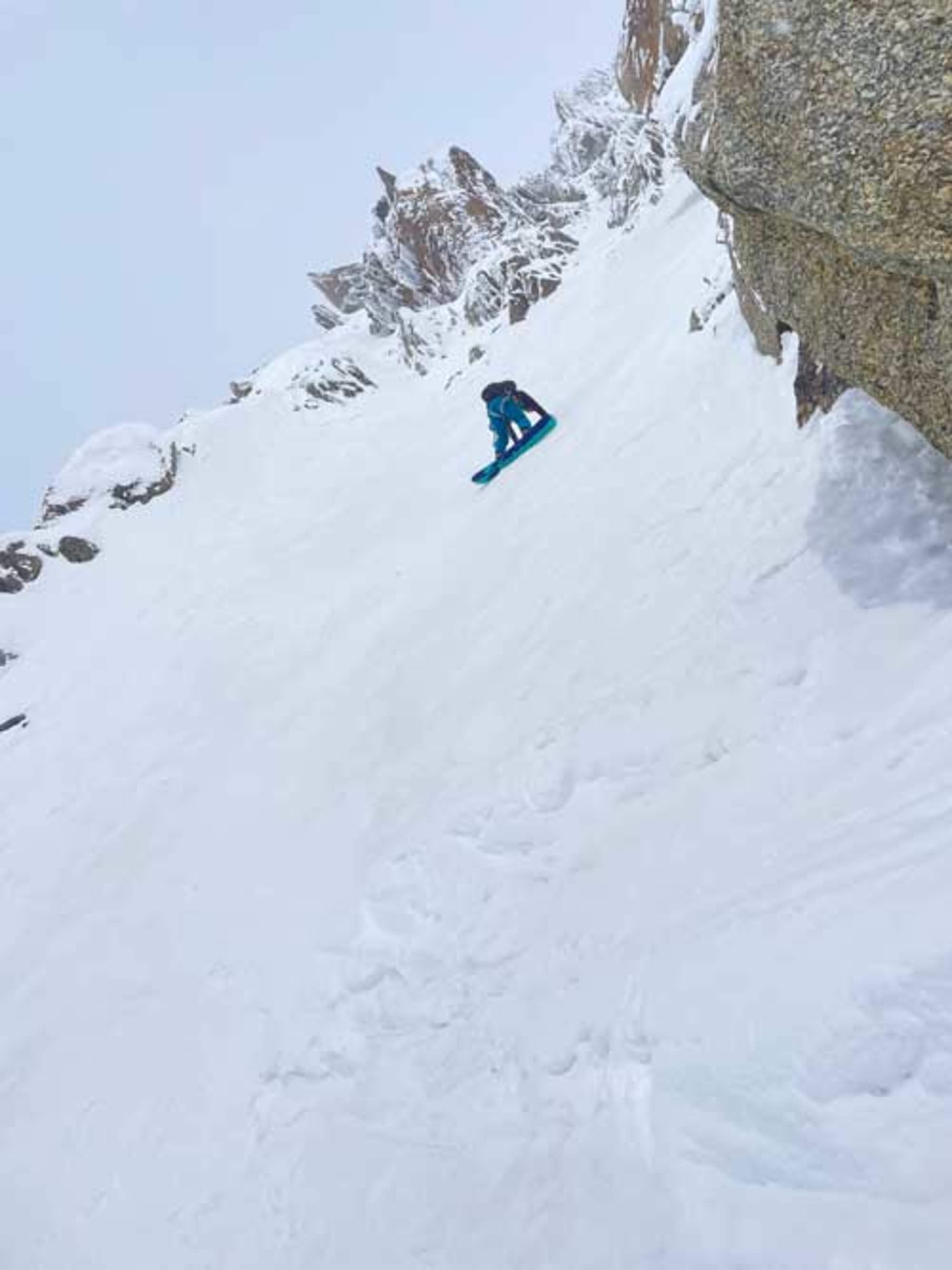
Eventually, the weather broke. Our eyes were fixed on a famous regional objective accessible via the Aiguille du Midi: the Cosmiques Couloir. Two rappels brought us onto the route.
Steep is an understatement.
I began the descent with ice axes in both hands. At one moment, my board slipped, and I was dangling above a narrow, rock-lined strip of snow, holding on to the axes because my life depended on it. When the grade finally mellowed and the snow softened, I was able to ride down.
The experience altered something inside me. I was no longer hungry to splitboard. I was terrified.
Stepping Away
The following winter back home in the Wasatch, I couldn’t muster the desire to even put my splitboard on. Truthfully, I could barely look at it. A few days of groomers at the resort were enough to satisfy any snowboarding-related desire.
I was ready to give up splitboarding, something ingrained in my identity. And I almost did.
Returning, Slowly
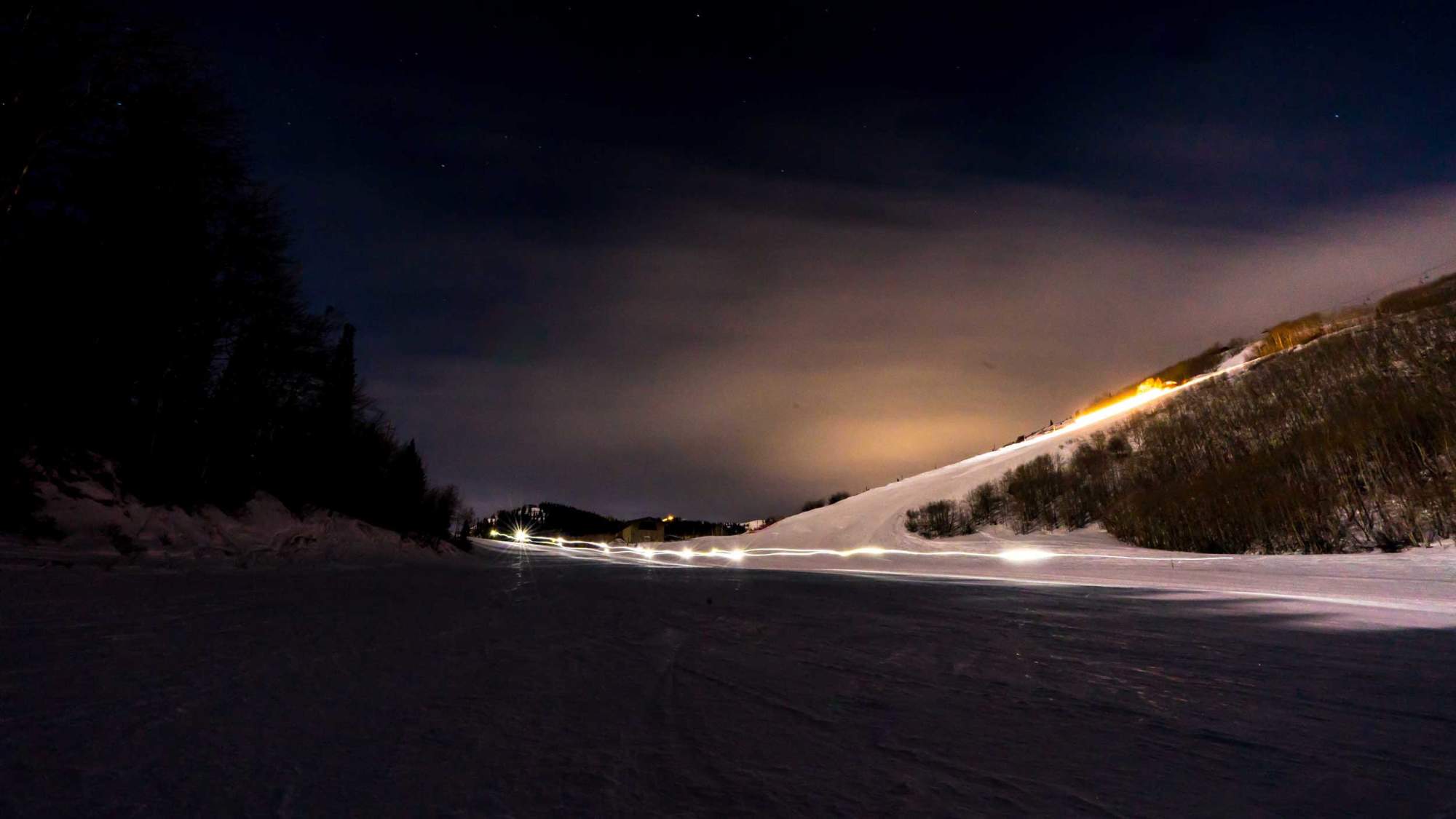
A friend convinced me to try again. She agreed to be my partner so I could reenter the sport at my own pace. Our first outing was simple: skinning up Park City Mountain in the moonlight.
There was something deeply healing about ascending the runs where I first learned to turn my snowboard. Floating down the perfect groomers was effortless. Each turn triggered a wave of happy nostalgia, as I remembered the excitement of learning to ride in Park City. By the bottom of Homerun, I was ready to try splitboarding in the backcountry again.
No surprise, I chose Bear Trap. Skinning up and riding down through familiar aspen and pine forests felt like visiting old friends.
A Full-Circle Relationship With the Mountains
My evolution in snowboarding has come full circle. The mountains that fostered my skills and the resort that helped me grow in ability and confidence are the same places I return to when I need healing after pushing myself too far.
While I’m still not ready to charge high-consequence objectives, I’m ready once again to explore the familiar Park City terrain that feels like home.
More Adventures in Park City
Intentional Movement to Build Strength and Joy in the Mountains
In a town like Park City, movement becomes a way of life. The vibrant energy here invites us to…
Catching a Winter Bug: Beginner Ski Lessons in Park City, UT
We all made it successfully off Burns. Hallelujah. We did not fall. “Which way should we go?…
Stepping Back Onto Skis & Navigating a New Deer Valley
Getting Back on Skis Being new to a ski resort can feel intimidating—and being a beginner…